February 17, 2026
Shippers
International Transport in the Era of Optimization: How to Control Costs and Supply Chain Efficiency

Efficient cross-border logistics management is no longer just about sourcing the cheapest carrier. In the face of rising fuel prices, driver shortages, and stringent environmental regulations, international transport demands precision, data-driven planning. Cost optimization is now a process of eliminating deadhead miles, consolidating freight, and strategically selecting transport modes tailored to specific cargo requirements.
Selecting the Mode of Transport
The choice of transport mode dictates both cost and lead times. Each mode has distinct characteristics that must align with the product type and overall business strategy:
- Road Freight: The most flexible option, enabling door-to-door delivery. It is ideal for Full Truckload (FTL) and Less than Truckload (LTL) shipments over short to medium distances.
- Sea Freight: The most economical solution for high volumes and long-haul routes. Utilizing Full Container Loads (FCL) allows for a significant reduction in unit costs, though it involves the longest transit times.
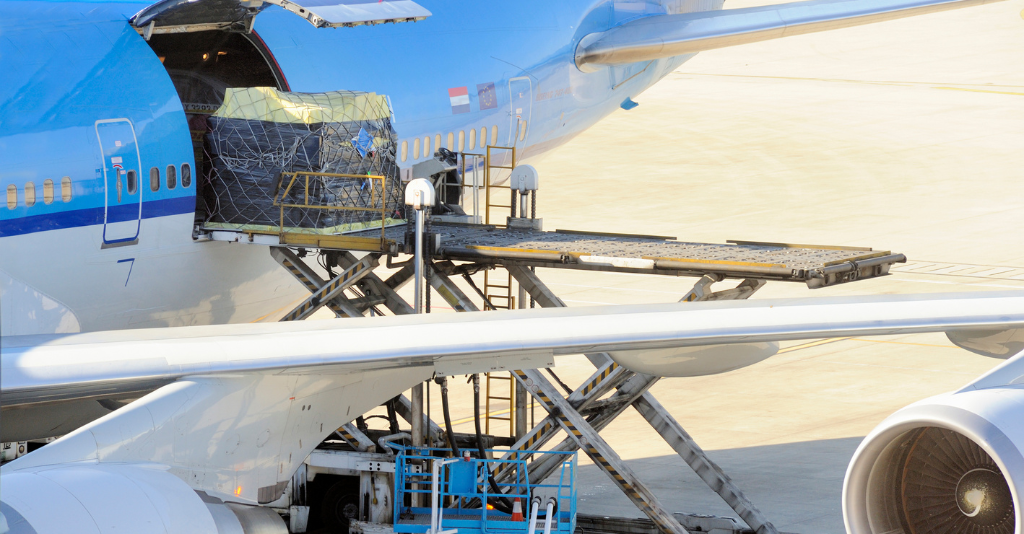
- Air Freight: Reserved for high-value goods, perishables, or critical situations (e.g., emergency machinery spare parts). This represents the highest cost but the shortest lead time.
- Rail Freight: Often overlooked, yet it serves as the “middle ground” between sea and air, particularly regarding the The Belt and Road Initiative.
Key Considerations When Selecting an International Carrier
Choosing a logistics partner is, at its core, an exercise in risk management. A low rate-per-kilometer often turns out to be a false economy if the carrier cannot guarantee punctuality or cargo security.
- Certification and Insurance: Valid Carrier’s Liability Insurance for international transit is non-negotiable, alongside certifications such as ISO 9001 or IFS Logistics (for food-grade transport).
- Asset-Based vs. Non-Asset-Based: It is worth verifying whether a company operates its own fleet or acts solely as a freight forwarder. Asset-based carriers offer greater control over capacity during peak seasons.
- Route-Specific Expertise: Familiarity with local regulations-such as post-Brexit UK customs nuances or transit restrictions in Alpine regions-directly impacts shipment fluidity.
- Transparency: Real-time track-and-trace capabilities are now industry standard, allowing for proactive responses to potential delays.
Emerging Technologies Driving Optimization
Modern international transport is inextricably linked to digitalization. Without the right analytical tools, optimization is reduced to “guesswork,” which inevitably leads to leakage.
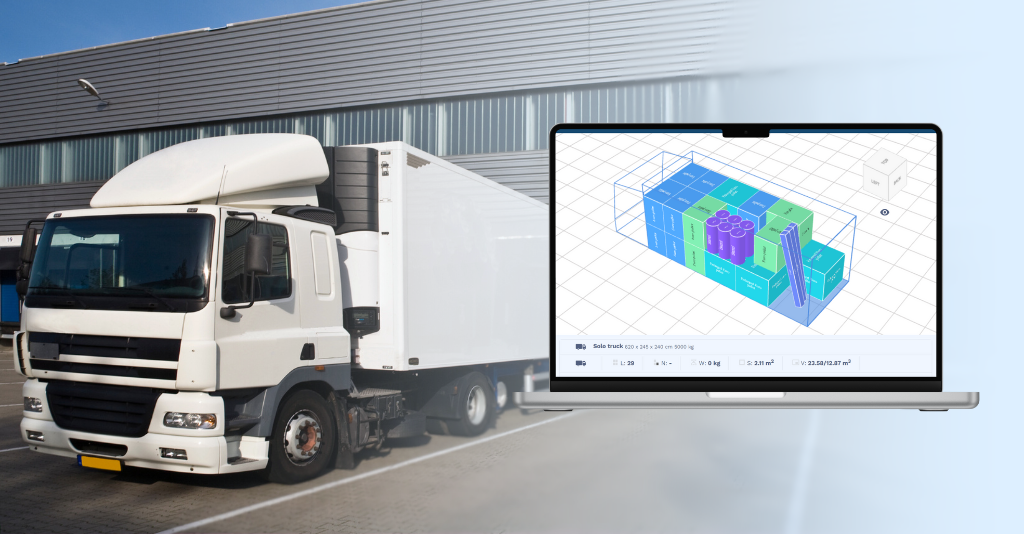
- TMS: These tools are essential for planning, monitoring, and auditing transport operations. They enable automated route planning and load building, which market data suggests can significantly reduce overall freight spend.
- Telematics and IoT: Sensors mounted in trailers monitor more than just GPS location; they track temperature (critical for cold chain logistics) and driver behavior, which directly impacts fuel efficiency.

Documentation and Customs Risk Management
Documentation errors are the most common cause of border delays, which rapidly generate incidental costs.
In EU transport, the CMR consignment note is the fundamental proof of the contract of carriage. However, when moving goods outside the EU, complexity increases. Accuracy is vital regarding commercial invoices, packing lists, and Certificates of Origin.
A key element in streamlining these processes is AEO (Authorised Economic Operator) status. Companies with this certification benefit from simplified customs procedures and priority inspections, significantly reducing clearance times.