October 24, 2025
Air freight
Air freight: What it is, how much it costs, and when to use it?
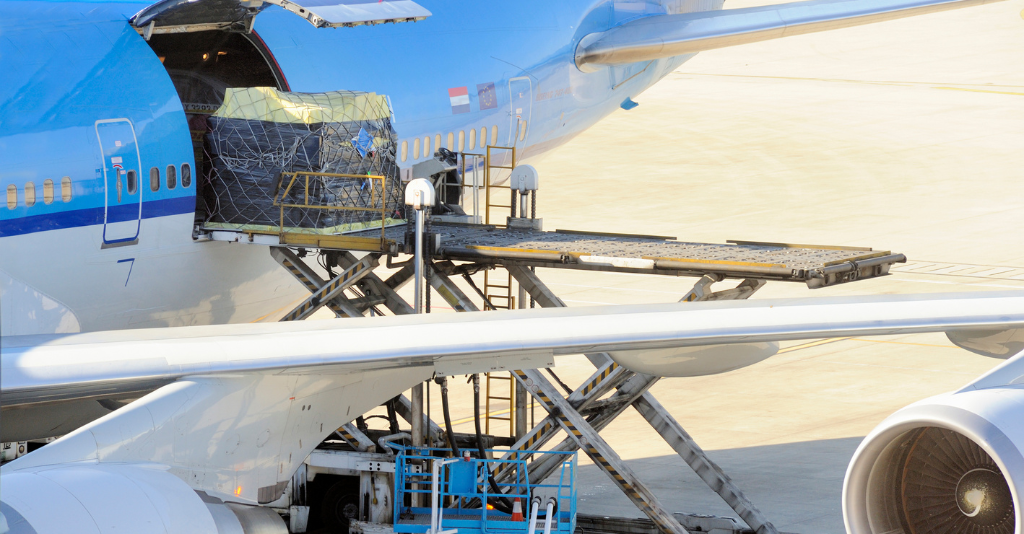
Imagine this scenario: a critical component for your production line is stuck thousands of miles away, and every day of downtime is costing you a fortune. This is where air freight enters the conversation. For many logisticians, the mere thought of the price tag is enough to dismiss this option immediately. That’s a mistake. Air freight isn’t a luxury; it’s a strategic tool that, under the right circumstances, can save a contract, a product launch, or even an entire production line. The question isn’t “Can I afford it?” but rather, “What is the cost of my time and an empty shelf?”
What is air freight?
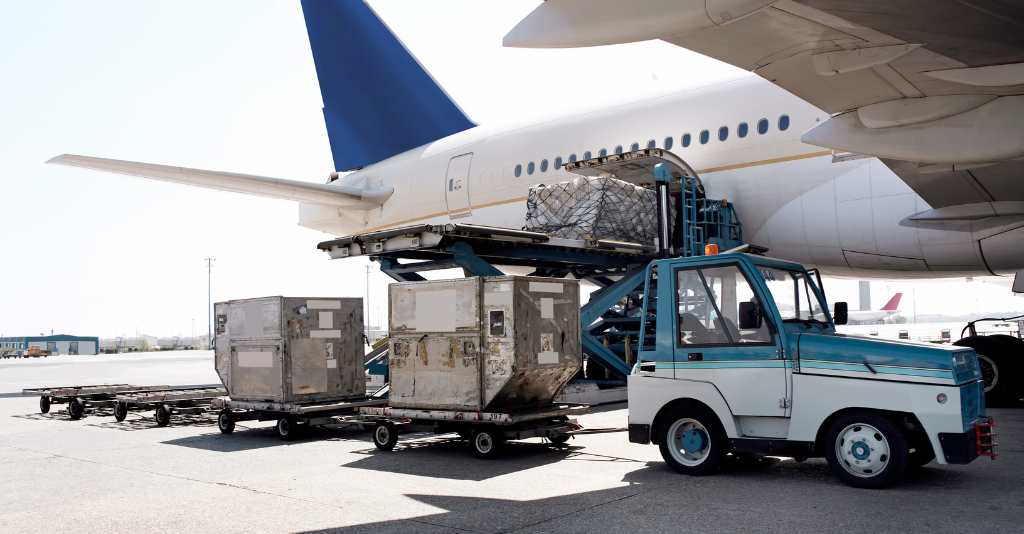
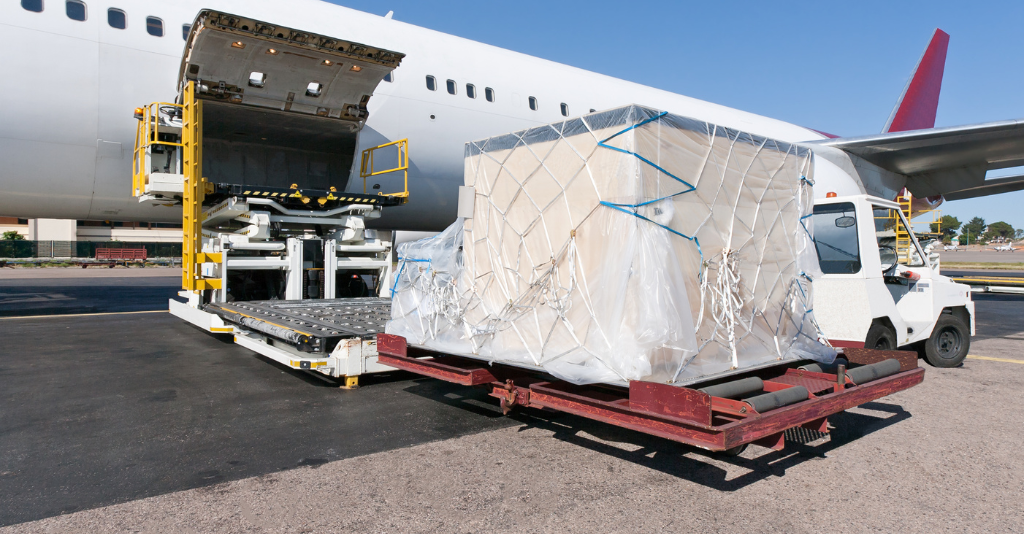
Simply put, air freight is the process of transporting goods via a cargo aircraft or in the cargo hold of a passenger plane. In terms of speed, air transport is unrivaled, but it is also the most expensive method when calculated per kilogram. The key is to understand when the cost ceases to be a barrier and becomes an investment.
How much does air freight cost?
To manage your budget effectively, you must understand the concept of chargeable weight. Airlines consider two parameters: actual weight and volumetric weight. You are billed for whichever of these values is higher.
- Actual weight (Gross Weight): This is what your shipment weighs on a scale.
- Volumetric weight (Dimensional Weight): This refers to the amount of space the cargo occupies.
Volumetric weight is typically calculated as follows:
Volume weight = (length x width x height)/6000
The rule is simple: If you’re shipping something heavy but small (e.g., metal parts), you’ll pay based on its actual weight. If the goods are light but take up a lot of space (e.g., styrofoam packaging), the price will be based on the volumetric weight. Misunderstanding this principle is the most common source of costly surprises in freight quotes.

When does air freight make sense?
First and foremost, the decision to use air freight should be based on a solid economic calculation. It is the natural choice for high-value, low-mass goods such as electronics, pharmaceuticals, or luxury items. For these products, the transport cost is a negligible fraction of the final price, and having capital tied up for 40 days in a sea container is simply more expensive than a quick air delivery.
A second area involves cargo whose specific nature precludes other forms of transport. This includes perishable goods, like fresh flowers or exotic fruits, for which a multi-week sea transit is a death sentence. This category also covers sensitive cargo—works of art, precision measurement equipment, or musical instruments. The shorter transit time and fewer handling points within the controlled airport environment minimize the risk of damage.
Finally, air freight is a strategic tool for gaining a competitive advantage. Swiftly delivering samples and prototypes can be the deciding factor in winning a contract. Introducing the first batch of a new fashion collection to stores ahead of the competition or delivering materials for a key trade show are actions where speed directly translates into revenue. In all these cases, air transport ceases to be an expense and becomes an investment in your market position and business continuity.
When is it better to choose another option?
Let’s be honest—air freight is not a one-size-fits-all solution. Opting for it without a solid business justification is a surefire way to burn through your budget.
- Cost: It is the most expensive mode of transport. The rate per kilogram is many times higher than that of sea freight. If your product has a low-profit margin and time is not a critical factor, air transport is economically unjustifiable.
- Size and weight limitations: Aircraft cargo holds have their limits. Shipments with non-standard, large dimensions or very high weight (e.g., heavy industrial machinery) are most often only suitable for sea transport.
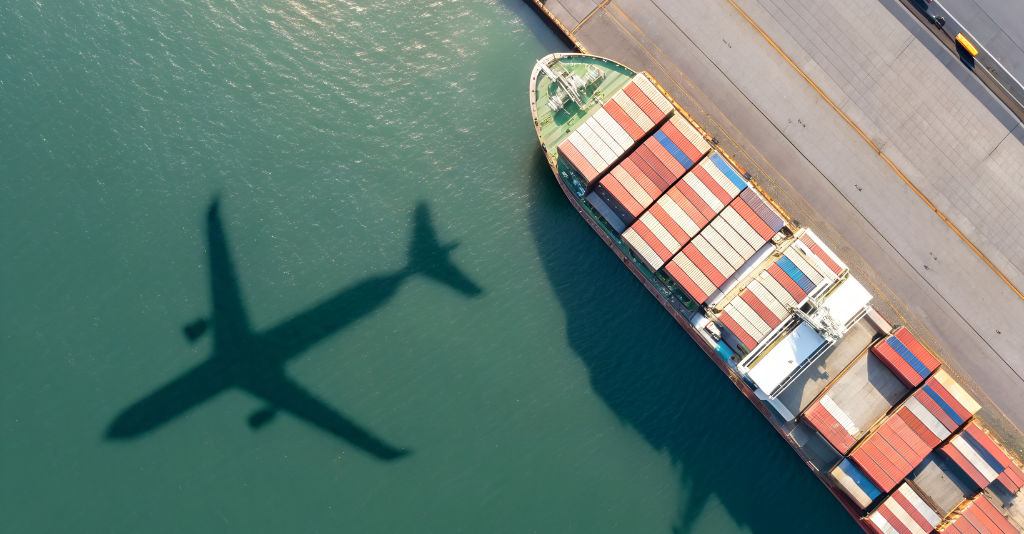
- Environmental impact: Air transport generates the largest carbon footprint per tonne-kilometer. According to data from various organizations, including the European Environment Agency, CO₂ emissions can be several dozen times higher compared to sea freight. For companies committed to a sustainability strategy, this is a significant factor.
Air freight from China: what to look out for?
China is the world’s factory, and air freight from China is a daily reality for many importers. What do you need to know to avoid costly mistakes?
- Main air hubs: Operations are concentrated around major airports such as Shanghai (PVG), Beijing (PEK), Guangzhou (CAN), and Hong Kong (HKG). The choice of airport affects both the price and the inland transit time within China.
- Time is more than just the flight: The total transit time is not just the 8-12 hours in the air. You must also account for inland transport to the airport, consolidation, export customs clearance, and, upon arrival, import clearance and final delivery. A realistic “door-to-door” timeframe is typically 3-7 days.
- Chinese holidays: Golden Week (early October) and Chinese New Year (January/February) are periods when capacity drops drastically and freight rates soar. Plan well in advance.
Air freight is not, and never will be, a competitor to the container ship in terms of price. It is a specialized tool in the arsenal of every logistics manager. Its value lies not in its low cost, but in its speed, reliability, and ability to solve critical supply chain problems.