May 15, 2026
Air freight
Types of air transport
Air transport of goods is the most advanced branch of logistics in terms of procedures and safety regulations. Understanding the types of air transport requires division not only by type of aircraft, but primarily by the nature of operations and load specifications.
Types of air transport and their characteristics
The modern air shipment market is divided into three main operational models. Each of them serves a different group of logistical needs:
- Scheduled transport (Belly Cargo): Utilizes free space in the baggage compartments of passenger aircraft. It is the foundation of global less-than-truckload logistics.
– Characteristics: Goods “travel” under the passenger deck.
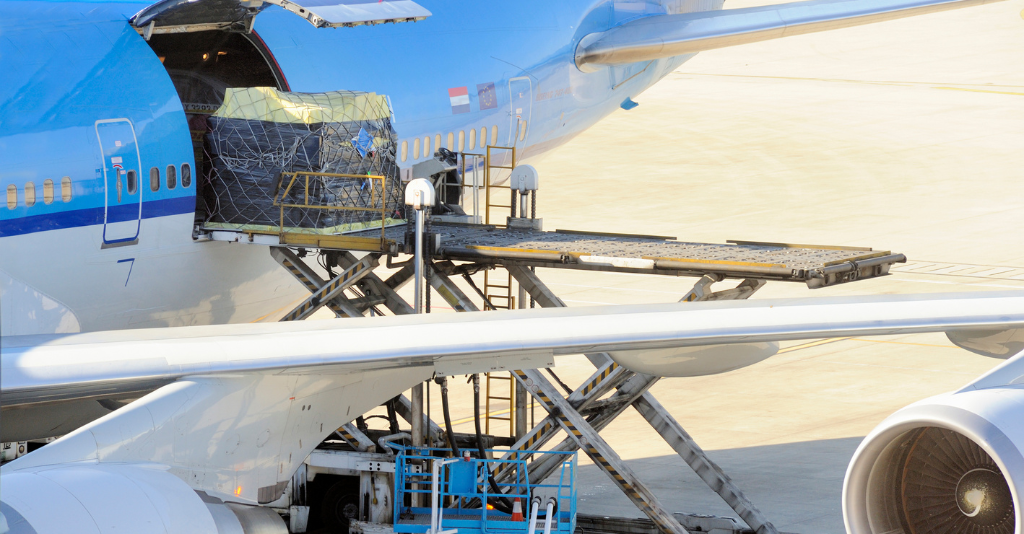
– Limitations: The maximum load height is limited by the fuselage design (usually up to 160 cm). Not all dangerous goods (DGR) can be transported this way. - Freight transport (Freighters): Carried out by aircraft fully adapted for cargo transport (so-called cargo-only). Examples include Boeing 747-8F and Antonov An-124.
– Characteristics: No passenger seats, reinforced floor with roller system, and large loading doors (nose or side).
– Advantages: Ability to transport oversized and heavy loads that would not fit in a passenger aircraft. - Charter transport (Air Charter): Renting the entire cargo space of an aircraft on a specific route, outside the regular flight schedule.
– Characteristics: A dedicated solution for time-critical loads or transport to regions with a poorly developed network of scheduled connections.

Types of air transport by load categories
In air transport, the classification of goods is crucial as it determines the way they are packaged, stored, and prioritized for loading.
General Cargo
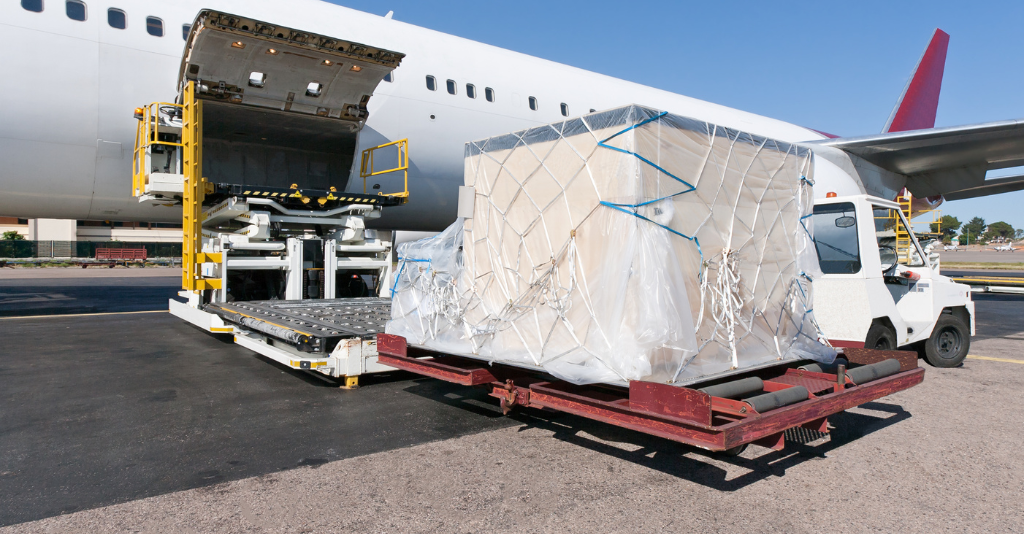
These are goods that do not require special precautions or thermal conditions. They include electronics, spare parts, clothing, and household items. They only need to be properly palletized, usually on ULDs (Unit Load Devices).
Special Cargo
This category includes goods whose specifics require the carrier and ground handling agent to have special certificates and infrastructure:
- PER (Perishable Goods): Perishable goods (food, flowers). Require temperature control.
- AVI (Live Animals): Transport of live animals, regulated by strict IATA LAR (Live Animals Regulations).
- VAL (Valuable Cargo): Valuable loads (gold, jewelry, works of art). Transport is carried out with security escort and under strict supervision.
- DGR (Dangerous Goods): Dangerous materials. Their transport is possible only after meeting the requirements for certified packaging and the Shipper’s Declaration.
Load units in air transport
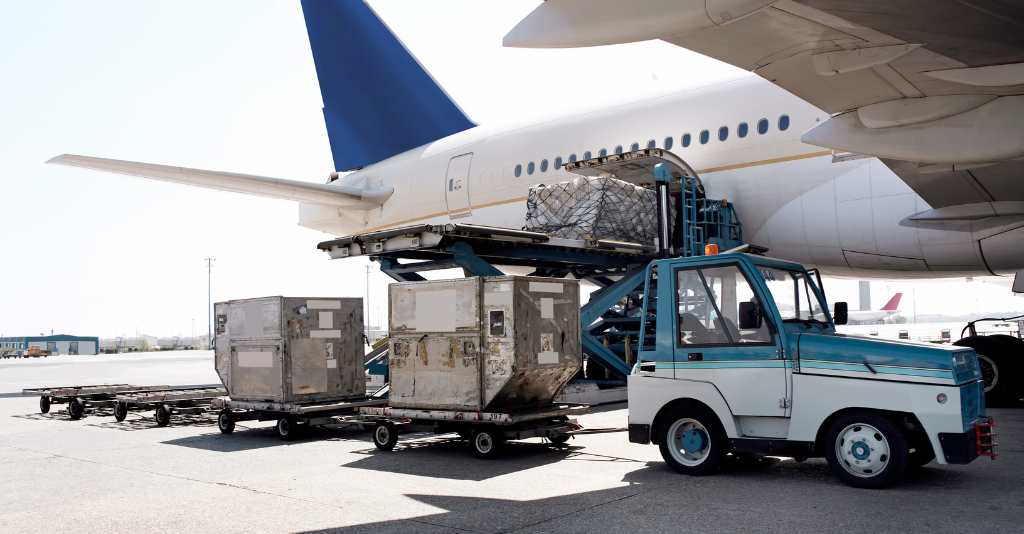
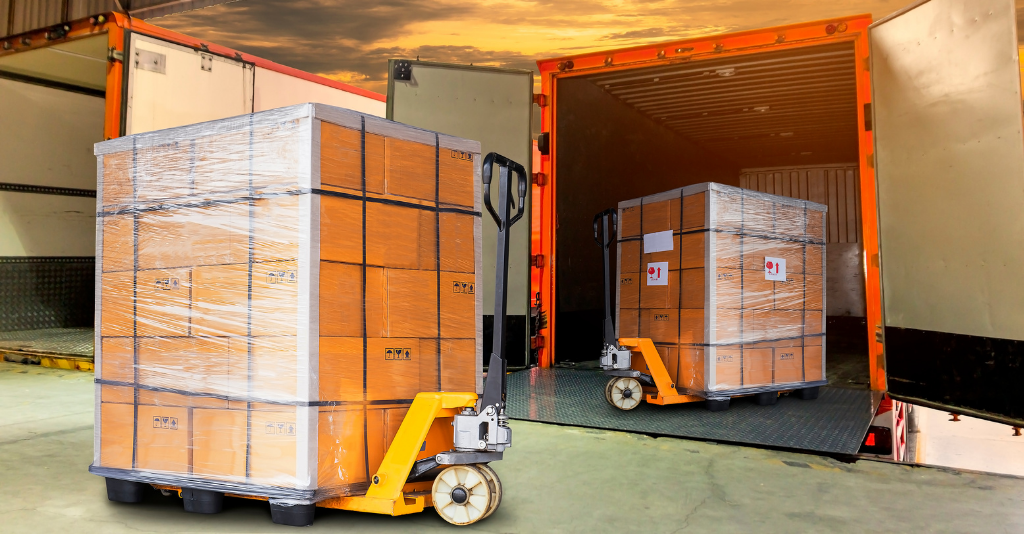
Unlike road transport, where the standard is the Euro pallet, aviation uses ULDs (Unit Load Devices).
- Air pallets: Aluminum plates on which goods are placed and secured with a net. Their dimensions are standardized (e.g., PMC, PAG pallet).
- Air containers: Specialized boxes with rounded shapes that fit perfectly to the curvature of the aircraft fuselage. They protect goods from weather conditions and mechanical damage.
When choosing the appropriate types of air cargo transport, the main considerations should be the dimensions of the load and its sensitivity to time and external factors. While Belly Cargo offers the highest frequency and lower cost, dedicated freighters are indispensable for specialized and oversized transport. Proper classification of goods at the planning stage helps avoid costly mistakes at the airport and rejection of the shipment by the carrier.