May 27, 2026
Truck transport
Road Freight Transport: Key Aspects
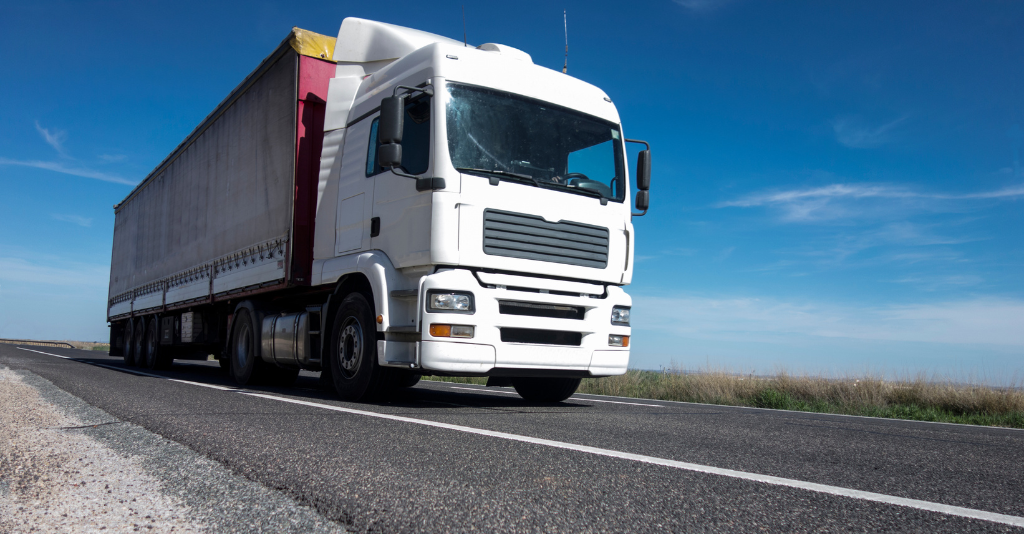
Road freight transport serves as the backbone of European trade, linking manufacturers directly with end-users. In an era of globalisation and the rapid growth of e-commerce, understanding the mechanisms governing this sector is essential for any business owner planning to optimise their supply chain.
What is Road Freight Transport?
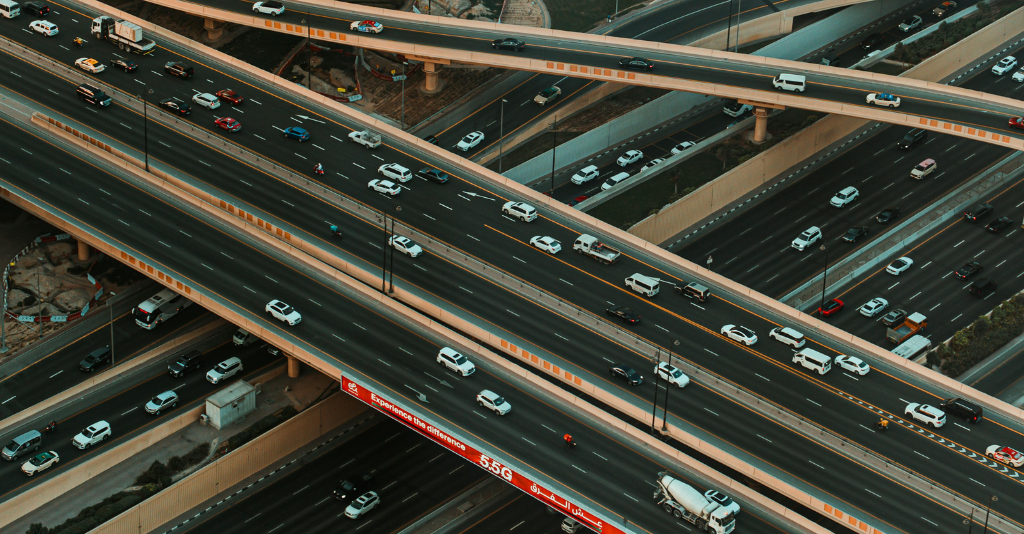
Road freight transport is the process of moving cargo using motor vehicles via inland road networks. It is the most frequently chosen mode of transport within the EU, thanks to an extensive road infrastructure and the ability to provide door-to-door services without the need for transshipment between different modes of transport.
Types of Road Haulage
We distinguish several primary categories that determine fleet selection and operating costs:
- FTL (Full Truck Load): Full-load transport, where the vehicle’s entire cargo space is dedicated to a single consignor.
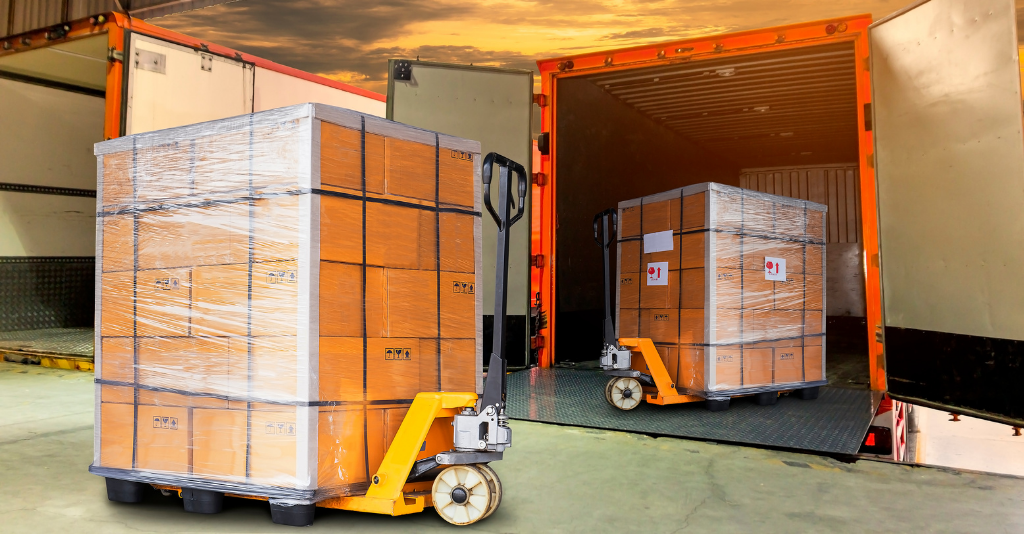
- LTL (Less than Truck Load): Groupage transport, involving the consolidation of smaller shipments from multiple consignors onto a single vehicle.
- Specialised Transport: The carriage of goods requiring specific conditions, such as temperature-controlled transport (reefers) or dangerous goods (ADR).

Legal Regulations
The sector operates within a rigorous legal framework designed to ensure safety and fair competition. These include:
- The CMR Convention: An international agreement defining the rules for issuing the consignment note and the carrier’s liability for the goods.
- Drivers’ Hours: Regulations concerning driving periods and mandatory rest breaks, monitored via tachographs.
- Euro Emission Standards: Environmental standards that compel transport companies to maintain a modern, low-emission fleet.
The Role of IT Systems in Road Transport
Modern road freight cannot function without technological support. TMS (Transport Management Systems) are used for the comprehensive management of transport operations.
These systems enable, among other things:
- Route Optimisation: Selecting the fastest or most cost-effective route for a given journey.
- GPS Tracking: Real-time cargo monitoring and precise calculation of ETA (Estimated Time of Arrival).
- Cost Settlement: Automated invoicing and profitability control for every load.
- Reduction of Dead Mileage: Through intelligent load matching and the optimisation of backloads.
Read more about TMS systems in our full article.