November 17, 2025
New Technologies
AI Agents – Does logistics need them?

Investments in systems such as WMS and TMS have enabled the logistics industry to effectively automate warehouse and transport processes. However, in an environment full of variables, traditional systems—while supporting human involvement in repetitive tasks—lack the ability to make decisions or act proactively on their own. This is where the AI Agent emerges.
AI Agents in logistics represent a revolutionary step where systems stop being merely tools and transform into digital partners. We covered the definition and fundamental characteristics of AI Agents in our previous article. Today, we will examine precisely what AI Agents are in the context of TSL, why their implementation is a necessity in the pursuit of operational autonomy, and what the advantages and disadvantages of working with these technologies entail.
What are AI Agents in logistics?
In the context of logistics and supply chain management, an AI Agent executes specific logistics tasks independently of continuous human supervision. Instead of waiting for a command, the AI Agent actively monitors its environment, which encompasses the entire logistics system (e.g., a warehouse, fleet, or transport network).
- Agent’s Environment: Data from WMS systems (inventory status, location), TMS (vehicle location, schedules), and other sources (temperature, humidity, weather, traffic jams, fuel prices).
- Agent’s Goal: This is always a measurable business objective, such as minimizing empty runs or shortening order fulfillment time.
The difference between a traditional IT system and an AI Agent is fundamental. A WMS or TMS is a database and a tool for managing various operations based on predefined rules. An AI Agent embedded within such a system can verify, modify, and adapt these rules in real-time on its own.
Why does logistics need AI Agents?
1. The Complexity of Logistics Operations
Logistics decisions are rarely black and white. An optimal transport plan involves not just the shortest route (fuel cost) but also:
- Adherence to driver working hours
- Avoiding tolls and ferries
- Maximizing trailer capacity utilization
- Maintaining delivery punctuality.
A human or a traditional algorithm can optimize one or two factors. An AI Agent is capable of simultaneously managing dozens of variables, aiming for the optimization of the entire supply chain, not just a single process.
2. Real-Time Responsiveness
Loading delays, road congestion, vehicle breakdowns, or sudden changes in customer priorities—these are everyday occurrences in the industry. AI Agents are designed for reactivity and proactivity. They can, in a fraction of a second:
- Perceive (e.g., information from a GPS system about a traffic jam).
- Decide (e.g., immediately reroute other loads to a different vehicle or change the delivery sequence).
- Act (e.g., automatically notify the customer of the revised arrival time and update the status in the TMS).
3. Multi-Agent Systems (MAS)
No single Agent, no matter how intelligent, can optimize the entire supply chain. It must cooperate with others. A Multi-Agent System is a collection of independent Agents that communicate with each other to achieve a single common business goal.
Example: A Loading Planning Agent communicates with a Route Planning Agent and a Warehouse Management Agent.
- The Loading Agent informs that a change in pallet arrangement would allow for the addition of one more client’s load.
- The Route Agent checks if this significantly extends the route.
- The Warehouse Agent confirms if it has sufficient time to prepare the additional goods.
The result: The system independently decides whether to accept the additional order.

What are the advantages and disadvantages of working with AI Agents?
The primary advantages of using AI Agents include the elimination of repetitive tasks that previously required human involvement. They are multi-functional and can make automated decisions based on numerous variables, making them much faster and less prone to errors.
The disadvantages of working with AI Agents mainly concern the implementation and maintenance phase. They require integration with existing IT infrastructure (WMS, TMS, IoT systems) and access to a large volume of clean, structured data, which presents the biggest organizational challenge. There is also the issue of the so-called “Black Box Problem”—the difficulty in auditing and understanding why an algorithm made a specific autonomous decision, which is critical from the perspective of legal liability and operational safety. Furthermore, the deployment of Agents necessitates hiring specialized AI engineers and analysts.
Key areas of AI Agent application in transport:
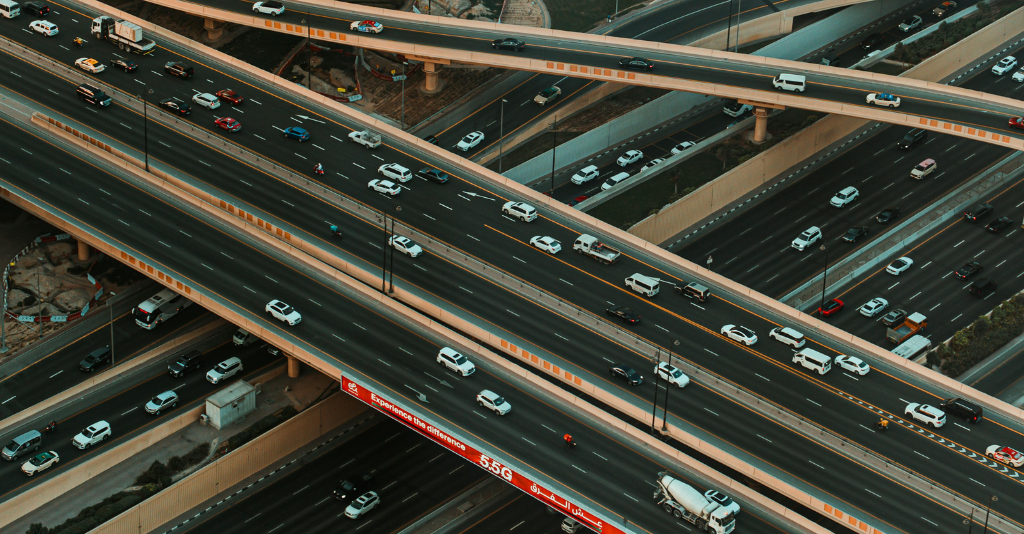
- Route Planning: The Agent can plan and modify routes based on real-time traffic flow, not just historical data. It can also autonomously negotiate delivery slots with the client’s warehouse systems.
- Inventory Management: The Agent can independently analyze trends, forecast demand, and regulate inventory levels (e.g., by optimizing costs tied up in inventory).
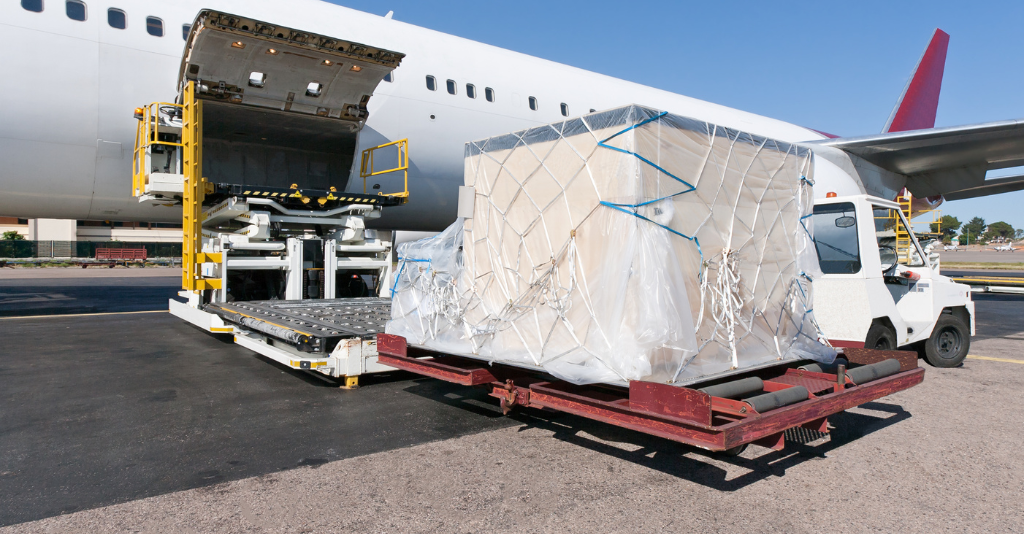
- Quality Control: One of the AI Agent’s tasks can be monitoring sensor data, such as temperature, during sea or air transport. Upon detecting a deviation from the norm, the AI Agent not only sends an alert but initiates corrective actions itself, e.g., changing the refrigeration unit or rerouting the shipment for inspection.
- Order Acquisition: The AI Agent can monitor the market, analyze carrier price lists, and select the most favorable offer for a given job, taking into account not only the price but also the reliability index of the given subcontractor.
AI Agents in logistics are the answer to the growing complexity of supply chains. They do not replace WMS and TMS systems but augment them with the capacity for autonomous thinking and decision-making. The key is to understand that it is no longer just about automating repetitive tasks, but about achieving autonomy in decision-making.