March 24, 2026
New Technologies
Transport program – digital command center

Working in logistics is constant juggling of information: emails from clients, calls from drivers, changes in time slots, and bookings. Trying to manage this process with a spreadsheet is like driving an overloaded truck with bald tires – it might move, but the risk of failure is enormous. Modern transport management software is primarily used to organize all this data in one place.
What is TMS used for in daily work?
- Database of contractors and carriers: Instant access to registration documents, transport licenses, and liability insurance policies. The system automatically reminds you when documents are about to expire.
- Route and load planning: Allows combining loads and planning multi-point routes, taking into account road weight restrictions and driver working hours.
- Automatic document generation: With one click, you can create a transport order, CMR waybill, or driver instructions in several languages.
- Integration with telematics: View the GPS position of a vehicle directly on the map in the system without logging into separate GPS manufacturer platforms.
Loading planning as part of the digital chain
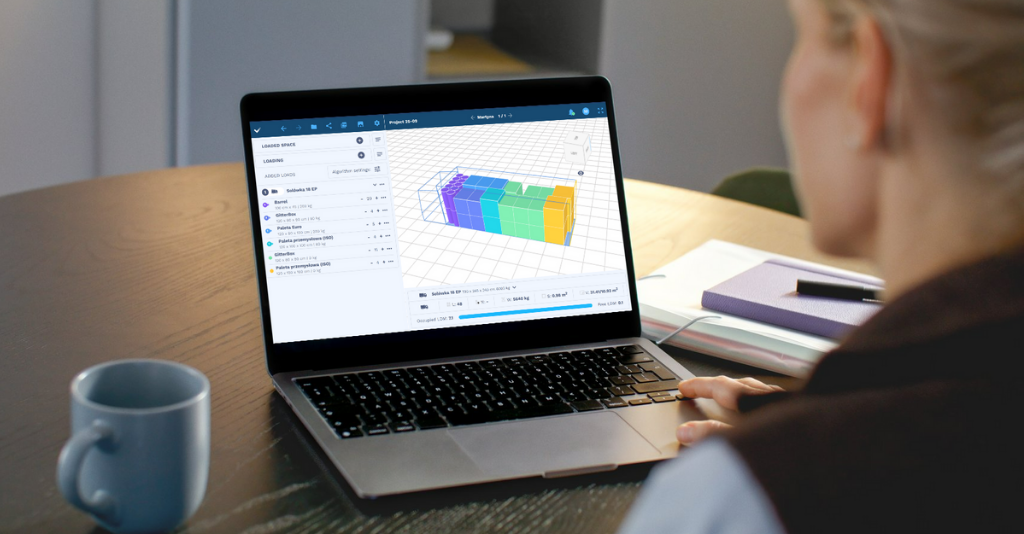
Even the best transport management software needs support in the precise placement of goods. Cooperation with tools like Goodloading is becoming the standard here.
Instead of wondering if 33 pallets of non-standard dimensions will fit on a “standard curtain sider,” the forwarder enters the dimensions of the goods in the application. In a few seconds, they receive a 3D visualization that can be sent to the warehouse. This ensures smooth loading, and the driver doesn’t waste time “moving blocks” on the trailer when the last pallet turns out to be 10 centimeters too long.
The Goodloading application also has an API that allows automatic connection with another system. Thanks to this, the user in the transport management software can have Goodloading functionality tailored to their needs.

Why implement transport management software in your company?
Here are the key reasons why the industry is moving away from analog methods:
- Elimination of bottlenecks: Information about the load is not confined to one forwarder’s mind. If someone goes on vacation or sick leave, any other team member can take over the order with a complete history of contacts and arrangements.
- Speed of response: The client asks about the status of a shipment? You don’t have to call the driver. Check the status in the system and respond in 10 seconds.
- Legal security: Transport management programs are updated according to changing regulations (e.g., Mobility Package or registration requirements in the SENT system for sensitive goods).
Types of available solutions
The market offers systems tailored to different needs. We can choose cloud-based solutions that do not require own servers and are accessible via a browser, and On-premise systems installed locally in the company.
Implementing software is primarily an investment in peace of mind and precision. Transport program combined with load space planning tools makes work predictable, and errors due to oversight are minimized. In a world where time is the most valuable currency, having a digital assistant is no longer a luxury but a necessity.