April 14, 2026
Load placement
FTL Transport – A Compendium of Knowledge on Full Truck Load Shipments
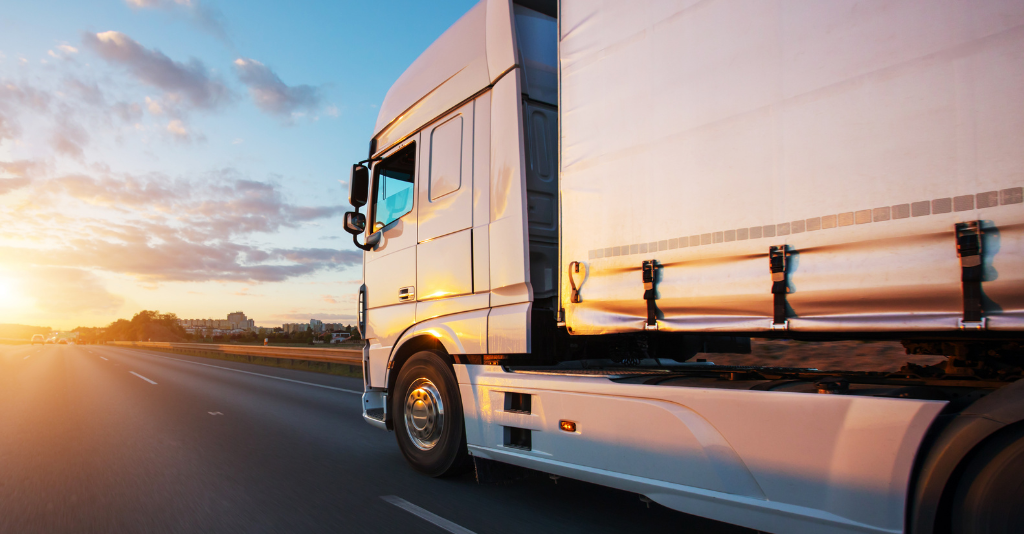
Understanding the specifics of different transport models is essential for navigating the logistics world efficiently. One of the most commonly chosen solutions in the supply chain is FTL transport, which allows a single shipper to use the entire load space of a vehicle.
What is FTL transport? Definition and basic mechanisms
To fully understand what FTL means in transport, we need to decipher this acronym. FTL stands for Full Truck Load. In this model, a single shipper rents the entire load space of a vehicle for their goods.
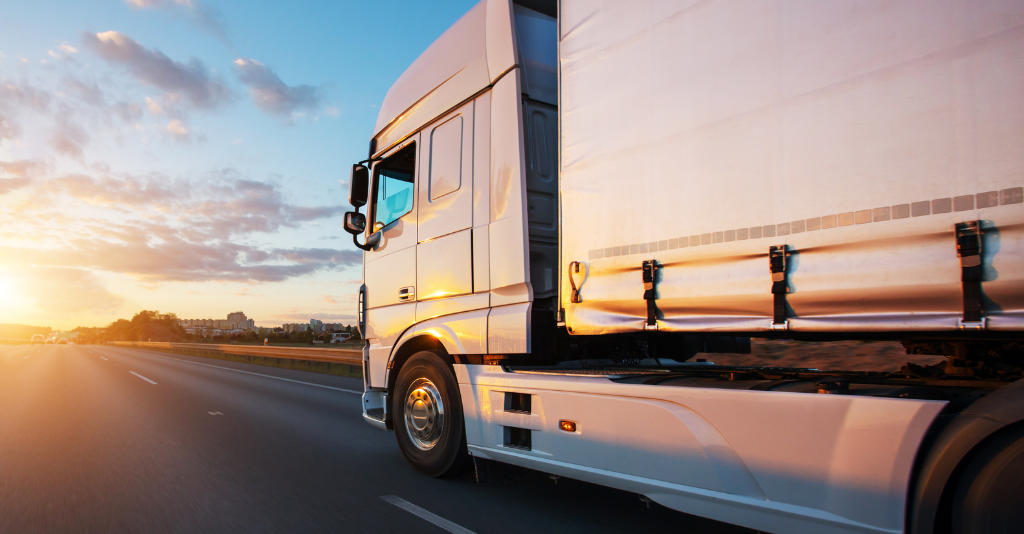
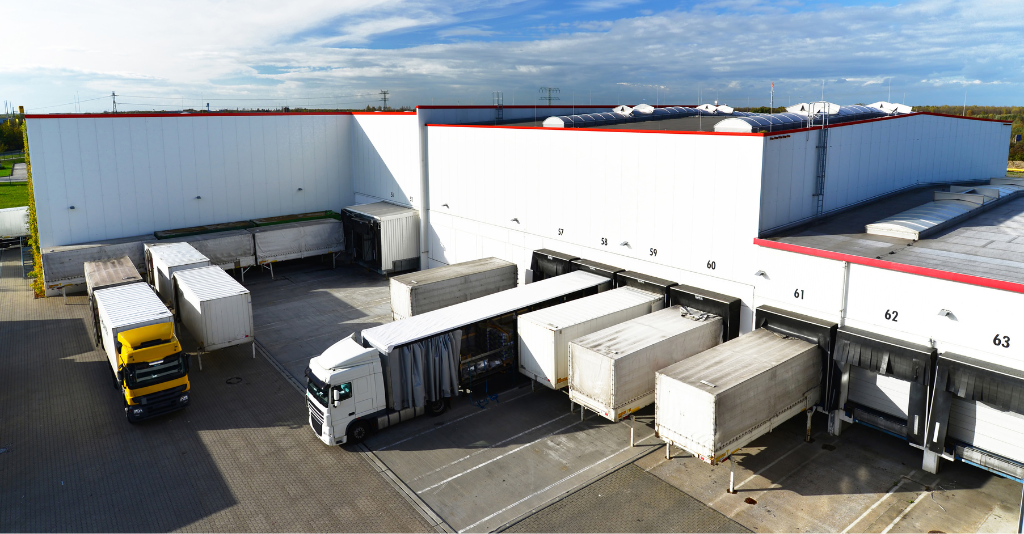
The FTL acronym in transport most often refers to the use of a standard 13.6-meter trailer that can hold up to 33 Euro pallets. A key feature of this solution is that the vehicle moves directly from the loading point to the unloading point without using transshipment terminals.
FTL vs. LTL – key differences
Understanding what FTL means in transport becomes easier when we compare it with the LTL (Less Than Truckload) model:
- FTL Transport: The entire trailer is dedicated to one client. The goods are separated from other companies’ loads, eliminating risks such as odor absorption or accidental contamination by neighboring goods.
- LTL Transport: Multiple shippers share one space. The goods go to terminals where they are reloaded multiple times, increasing operational risk.

International FTL and sea transport – wide application
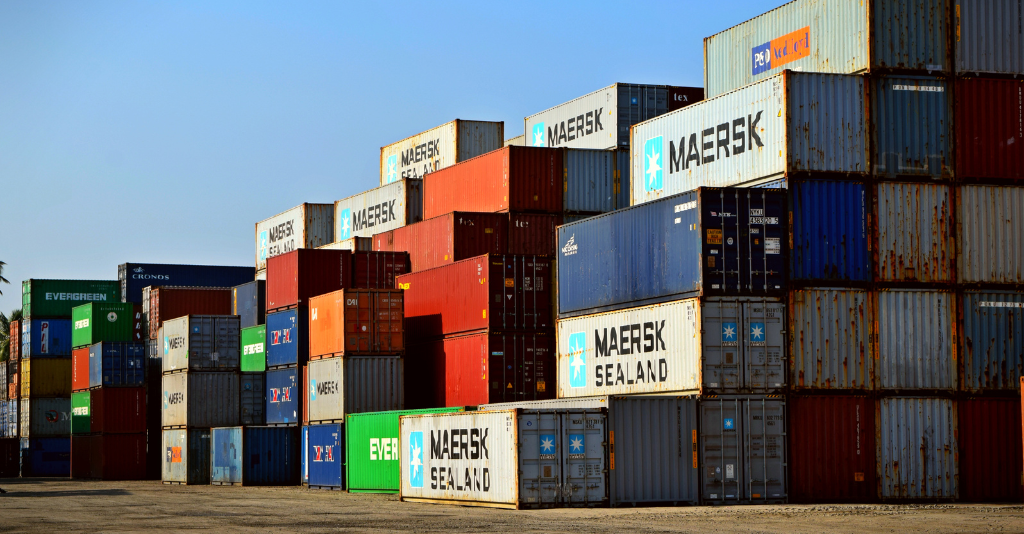
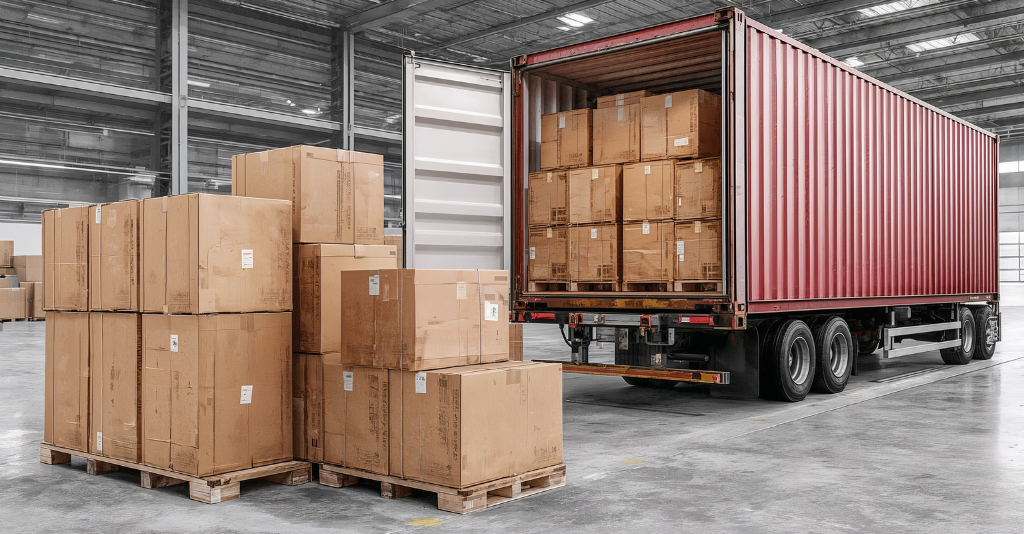
Although the term is mainly associated with roads, it’s worth knowing that there is also FTL sea transport. In this context, the term FCL (Full Container Load) is more commonly used, meaning full container transport where the entire contents of the container belong to one recipient. The principle of operation remains the same: the goods are not shared with other shippers.
In Europe, international FTL transport is the backbone of trade exchange. It allows for the efficient movement of large batches of goods between European Union countries without the need to sort loads at borders or in distribution centers.
In summary, FTL in transport is a model based on exclusivity and security. The shipper gains confidence that the goods will travel the shortest route without unnecessary handling by third parties. It is this simplicity and elimination of “intermediaries” that make the full truckload model preferred for bulk and specialized loads.