July 29, 2026
Pallets
Stacking pallets in warehouse and transport – rules and limitations
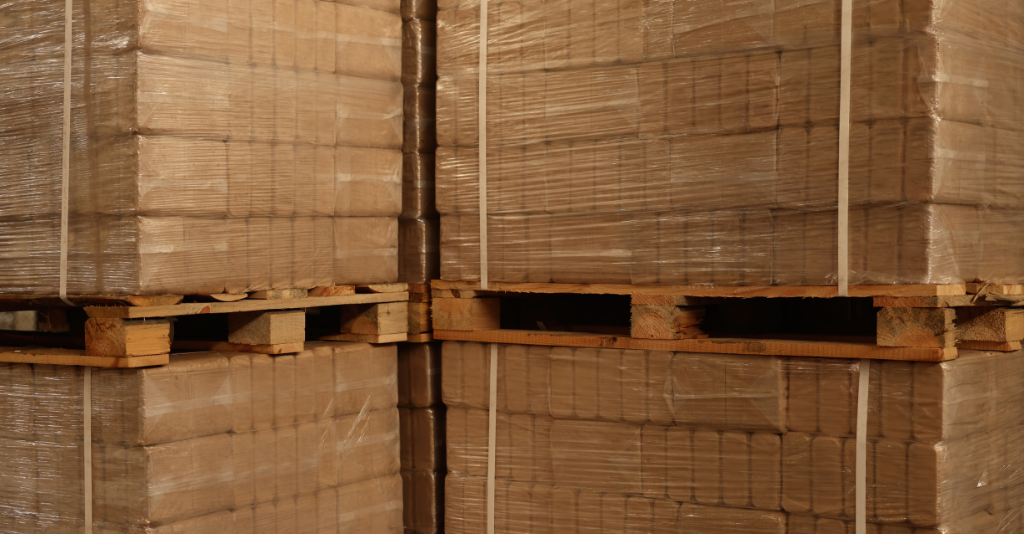
Stacking pallets can significantly reduce the unit cost of transport and storage, but incorrect stacking can lead to damage to goods, damage to carriers and a threat to the health of employees. This article explains the concept of stacking – what it means in everyday operations, how to safely stack pallets with goods and what height and weight limits are imposed by health and safety regulations and trailer gauge.
Stacking – what does it mean?
Stacking is the maximum use of available height by creating vertical load columns. This process is carried out in two main areas:
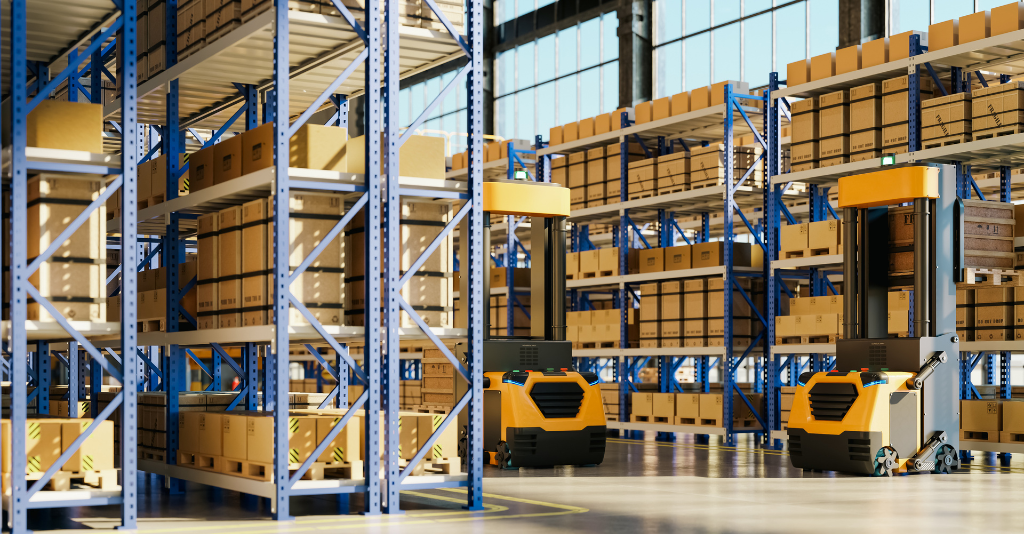
- In the warehouse, it consists of stacking units without racks (block stacking) or safely stacking empty carriers in buffer zones.
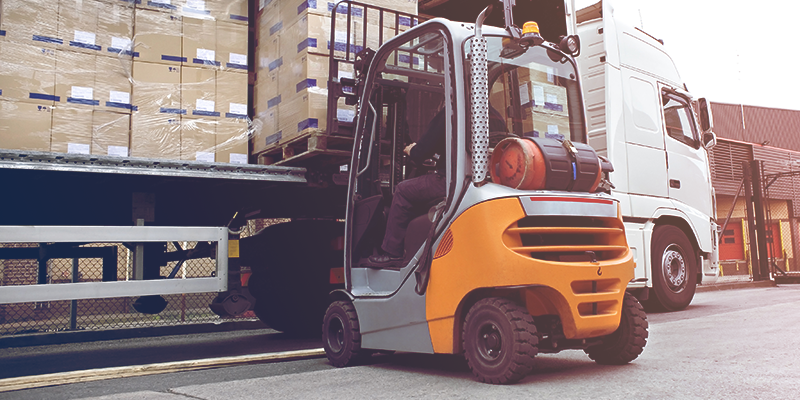
- In transport, it means stacking pallets with goods inside the trailer – directly one on top of the other or using beams in double floor systems.
How to stack a pallet to ensure load stability?
Proper preparation of a single pallet is a prerequisite for placing another unit on it. Errors made at the level of a single load are multiplied when a second level is added.
Here are the key rules for preparing a unit for stacking:
- Proper weight distribution – the center of gravity of the load must be exactly in the geometric axis of the pallet. Heavier bulk packages should be placed at the bottom and lighter ones at the top.
- Stacking pattern – stacking cartons “overlapping” (brick binding) increases the stability of the entire structure. On the other hand, column stacking (row on row) maintains the maximum edge strength of cartons for compression but requires precise external securing.
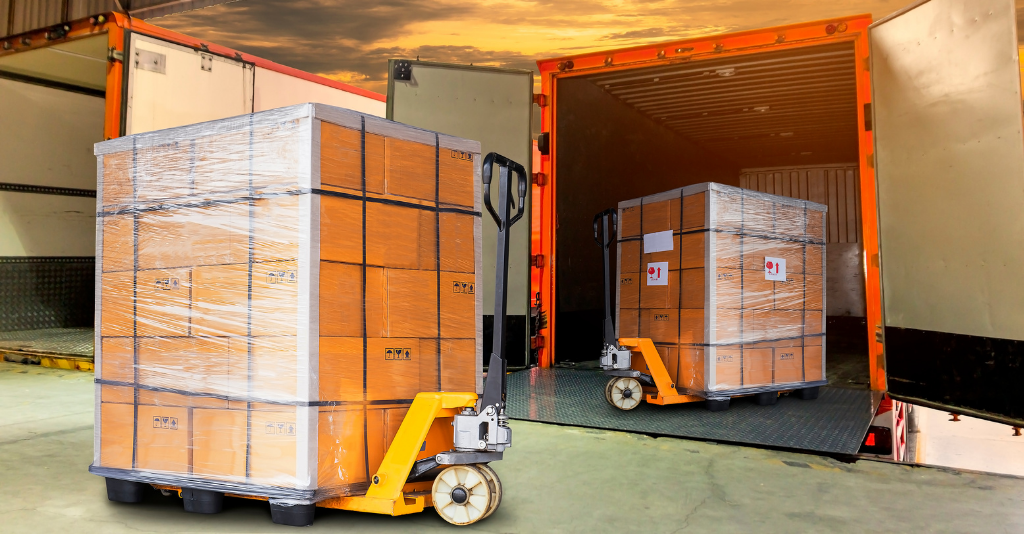
- Edge protection and wrapping with foil – the use of cardboard protectors protects the corners of the load from crushing. The whole should be wrapped with stretch foil with the appropriate tension force (the so-called foil memory) and overlaps of at least 30% of the width of the strip.
- Technical condition of the carrier – only undamaged standardized pallets (e.g. EPAL/EUR-1) should be used for stacking. A damaged bottom board or a broken block disqualifies the pallet from being loaded with a second layer.

How high can pallets be stacked? Regulations and restrictions
Warehouse restrictions (health and safety and physical parameters)
- According to health and safety regulations, the height of the stored stack must ensure its full stability. In practice, the following guidelines are used:
- The maximum ratio of base width to stack height in free stacking should not exceed 1:2 or 1:3 (depending on load interlocking and stiffness).
- In the case of a standard EUR pallet (width 800 mm), a stable stack rarely exceeds 2.4 – 3.0 m in block stacking.
- A safe distance from roof structures and fire installations should be maintained (minimum 0.5 m from sprinklers).
Restrictions in road transport
In road transport, the determining factor is the internal height of the trailer. Assuming that a standard trailer has an internal height of approx. 2.70 m, taking into account the clearance required for maneuvering the trolley (min. 10 cm), the total height of two stacked pallets cannot exceed 2.60 m (i.e. a maximum of 1.30 m per pallet unit with load).