August 05, 2026
Containers
ISO container – international standard in transport
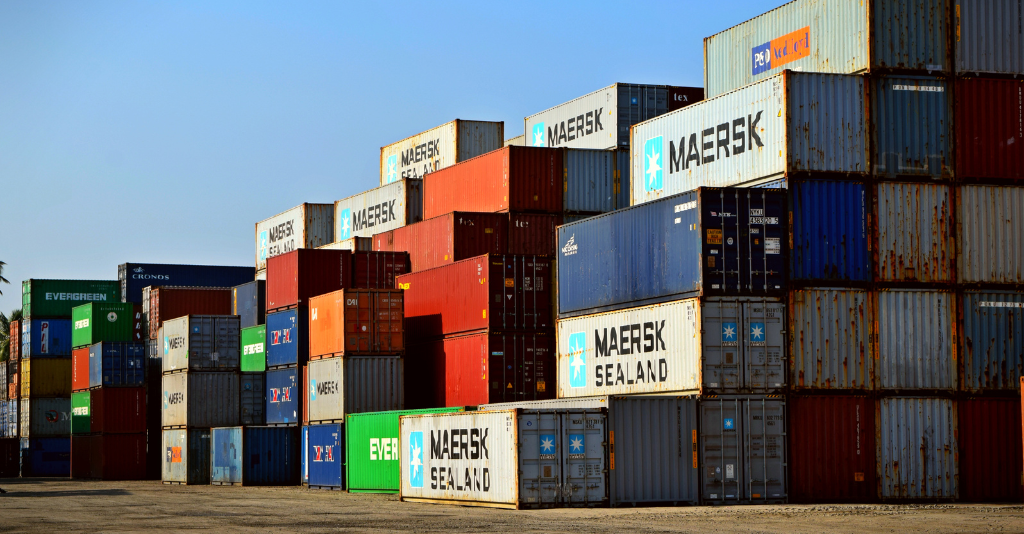
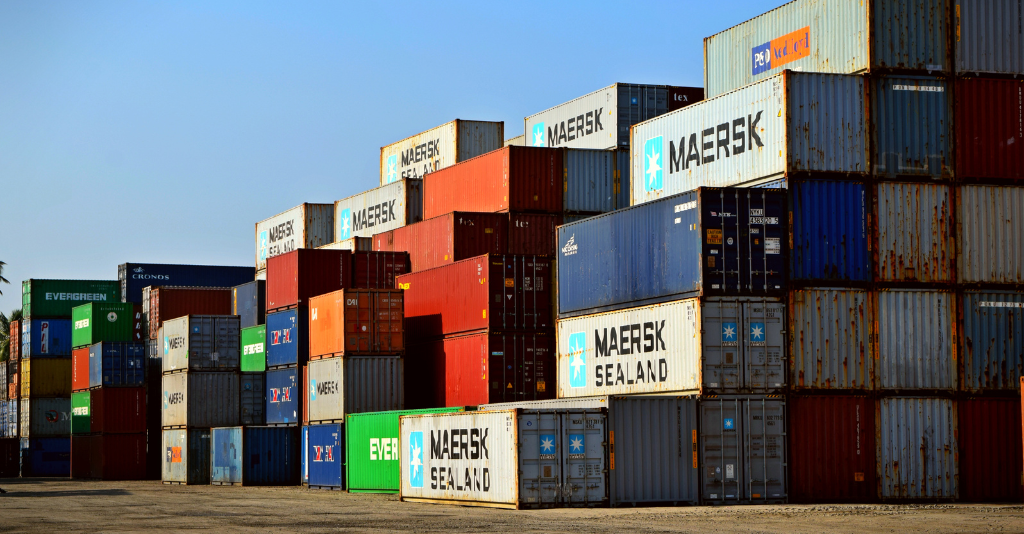
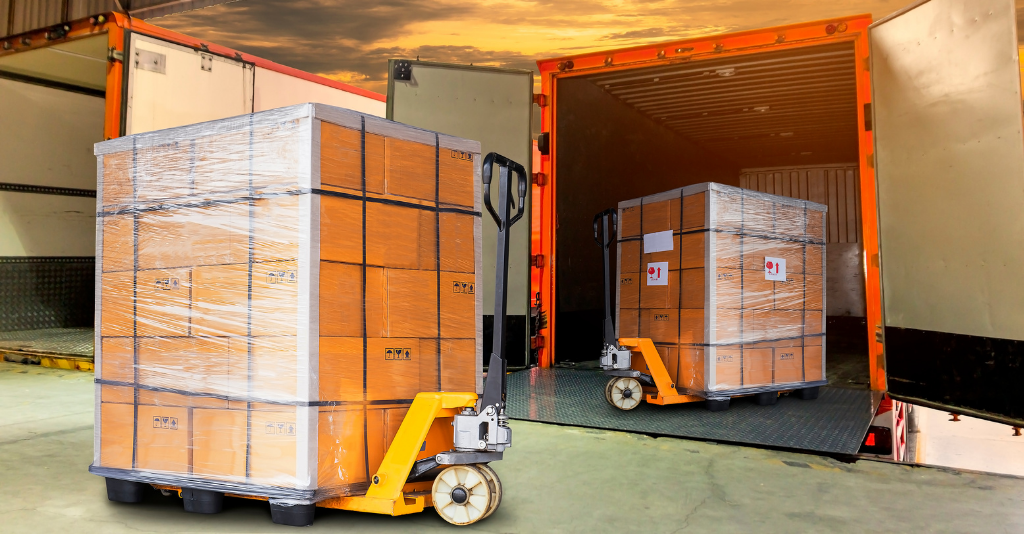
Modern sea and land trade is based on unification. One of the elements enabling smooth transport of goods around the world is the ISO container. This standard has revolutionized intermodal transport – the transport of loads by various means of transport (ship, train, truck) in the same load unit, without the need to reload the goods themselves.
What is an ISO container? Definition
An ISO container is a standardized load unit designed and manufactured according to the standards set by the International Organization for Standardization (ISO).
The main purpose of introducing ISO standards for containers was to unify dimensions, structural strength and corner fittings (so-called container corners). Thanks to this, the same containers can be easily handled by cranes in seaports, loaded onto railway wagons and mounted on sub-container semi-trailers in road transport.
The basic standards regulating this area are:
- ISO 668 – defines external and internal dimensions and classification of containers.
- ISO 1161 – specifies detailed dimensions and mechanical properties of container corners used for lifting and securing the unit.
- ISO 1496 – specifies requirements for container strength and testing methods.
All units approved for international trade must have a valid CSC (Convention for Safe Containers) plate confirming their technical condition and structural safety.

ISO 20 container dimensions and technical specification
One of the most popular types of units used in sea and land freight is the 20-foot container. It is generally accepted that the capacity of such a unit corresponds to 1 TEU (Twenty-foot Equivalent Unit) – the basic unit of measurement in sea transport.
External and internal dimensions of a 20-foot container:
| Parameter | External dimensions | Internal dimensions |
| Length | 6.058 m (20 ft) | 5.898 m |
| Width | 2.438 m (8 ft) | 2.352 m |
| Height | 2.591 m (8 ft 6 in) | 2.393 m |
Note: Internal dimensions may vary slightly (by 1-2 cm) depending on the manufacturer and the thickness of the trapezoidal sheet used.
Door opening and weight parameters
- Door opening width: 2.340 m
- Door opening height: 2.280 m
- Cubic capacity (CBM): approx. 33.1 – 33.2 m³
- Tare (empty container weight): approx. 2,200 kg – 2,300 kg
- Maximum payload: approx. 28,200 kg
You can check the detailed dimensions of the containers in this article.
Types of ISO containers in the supply chain
Although standard containers make up the majority of the transport fleet, the TSL market uses a number of specialized variants adapted to specific loads:
- High Cube (HC): 30 cm higher than the standard version (external height is 2.896 m / 9 ft 6 in). Used for transporting low-weight volume loads.
- Reefer (Refrigerated Container): Equipped with a refrigeration unit maintaining a constant temperature (usually from -30°C to +30°C). Essential in the food and pharmaceutical industries.
- Open Top (OT): Has an open roof covered with a tarpaulin. Used for loads loaded from above with a crane or exceeding the height of a standard container.
- Flat Rack (FR): No side walls and roof, consists only of the floor and front walls. Used for transporting oversized loads, such as industrial machinery or large structural elements.
Loading a container in Goodloading
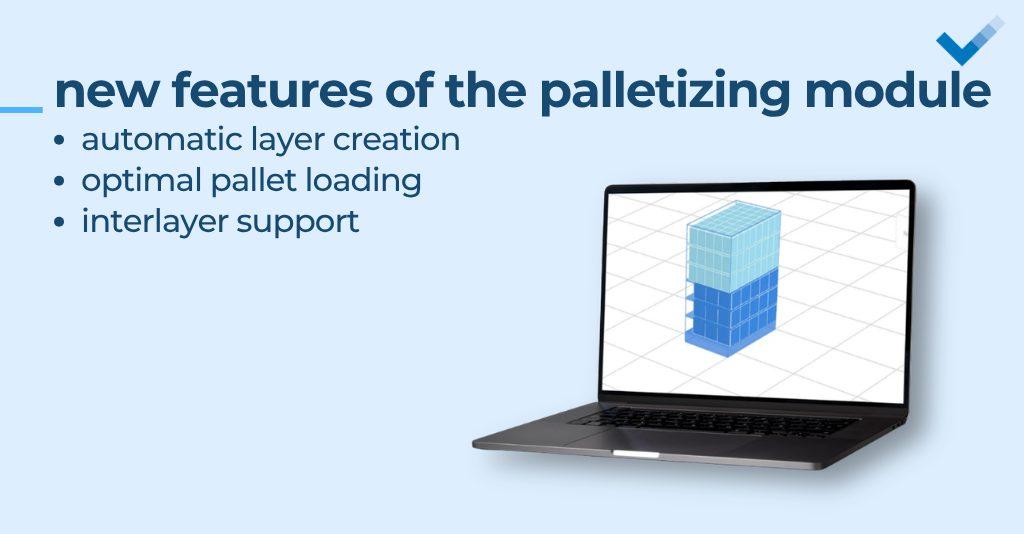
If you are planning to load a container, using the Goodloading planner will improve the entire process. The application enables digital mapping of the loading space and planning the arrangement of the load before starting physical work in the warehouse.
The user enters the technical parameters of a specific unit – both standard 20- and 40-foot containers and reefers. The software takes into account key operational parameters:
- Determining the center of gravity – the algorithm continuously analyzes the weight of individual packages or pallets and calculates the pressure on the floor. This allows for a stable distribution of mass, which prevents dangerous overloading of the selected side of the container and helps maintain the stability of the unit during sea and road transport.
- Taking doors into account – the ability to enter exact door opening dimensions makes it easier to plan the correct packing and unloading sequence. This avoids situations where the packed load blocks the door opening or makes it difficult to unload it efficiently at the target recipient.
- Space configuration for the unit – in the case of Reefer containers, the system automatically takes into account the internal space occupied by the cooling system.
Transferring the planning stage to the program speeds up shipment preparation, reduces human errors when manually arranging loads, allows optimal use of available space and significantly reduces transport costs.