March 04, 2026
New Technologies
What is transport process and how to optimize it?

The transport process is a precisely planned sequence of activities that determine the profitability of the entire supply chain. Understanding the individual stages helps to eliminate empty runs and unnecessary operational costs.
Transport process – what is it?
The transport process is a set of organizational, executive, and informational activities aimed at moving cargo or people within a specified time using appropriate means of transport. It should not be limited to just driving. This process begins when a transport need arises and ends with the settlement of the service and the delivery of documentation.
In a systemic approach, these processes are divided into three main phases:
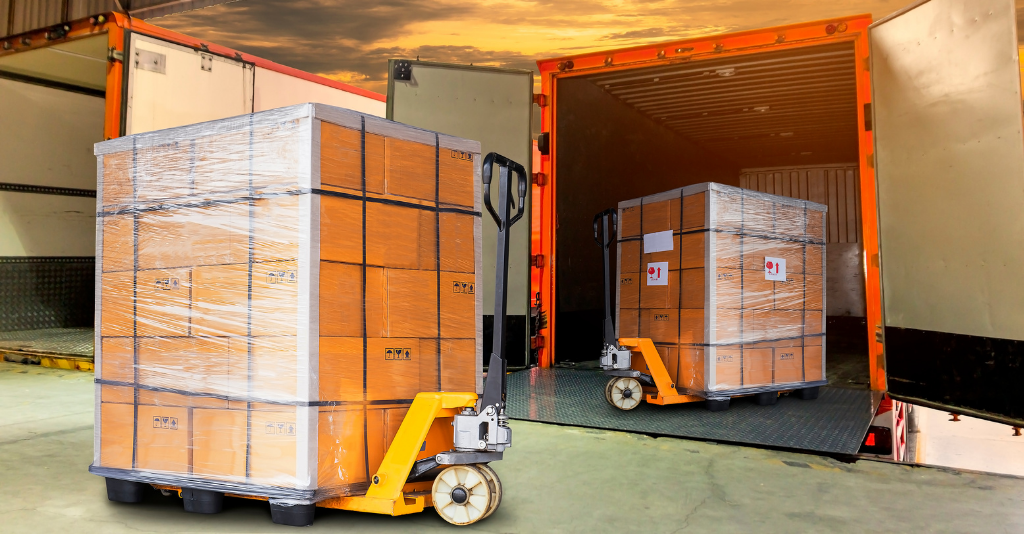
- Preparatory: planning, selecting a carrier, preparing the load (e.g., palletizing).
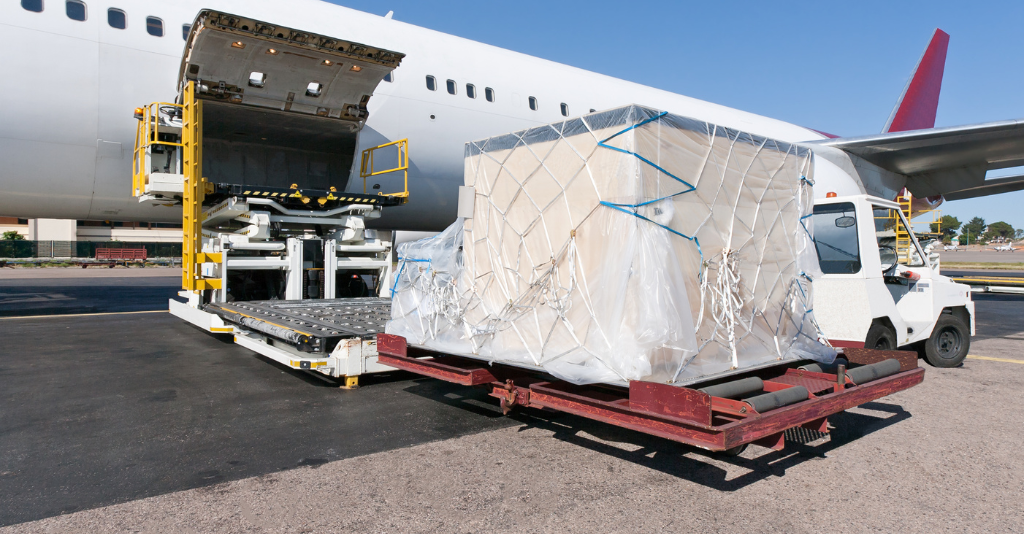
- Executive: loading, physical transport, and unloading.
- Settlement: control of the shipment’s condition, document circulation (e.g., e-CMR), and cost analysis.
Key logistic processes in transport
To understand what a transport process is in business practice, it should be viewed through the lens of logistics. Logistic processes in transport involve managing the flow of information and goods to minimize downtime.
The most important operations include:
- Loading planning: Optimal placement of goods on a trailer or in a container. Using loading planners can increase the utilization of loading space by several percent.
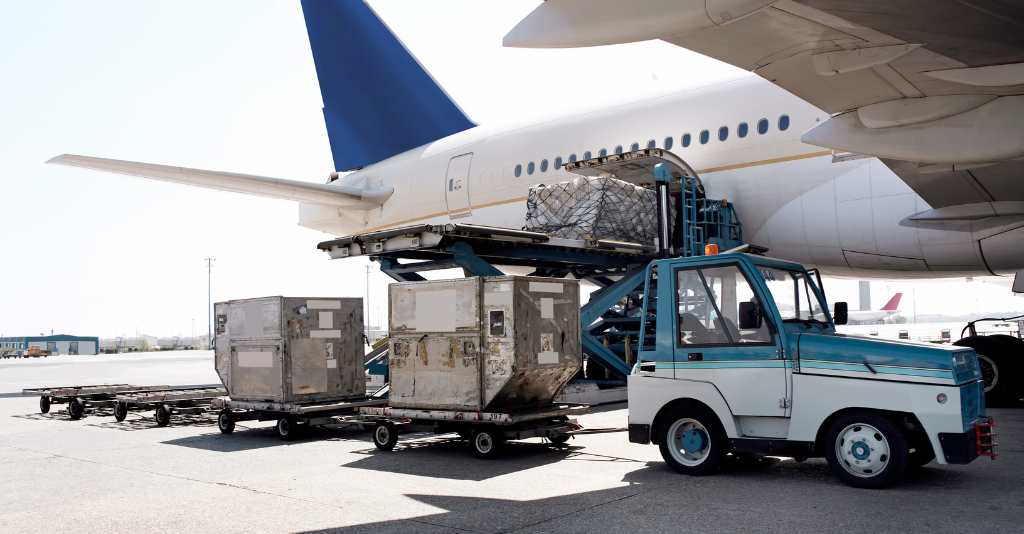
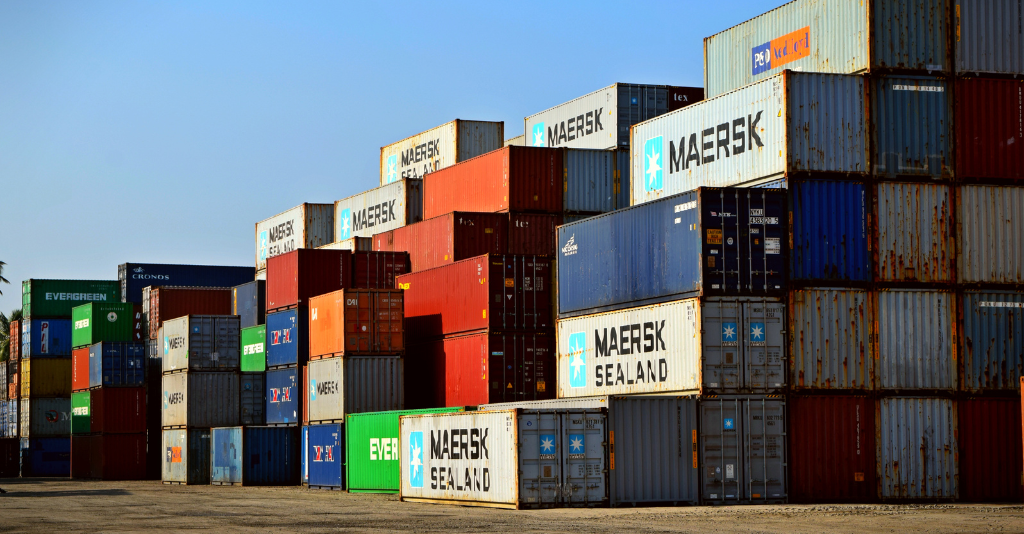
- Freight forwarding: Transport organization, including the selection of the means of transport (road, sea, air, or rail) and the preparation of necessary permits.
- Monitoring (Tracking): Tracking the load in real-time using telematics systems integrated with TMS.

Stages of the transport process
A properly designed transport process consists of five key steps:
- Order acceptance: Verification of load parameters (weight, dimensions, ADR requirements, or temperature).
- Route planning and vehicle selection: Analysis of fleet availability and route optimization to avoid delays (e.g., time windows in warehouses).
- Loading and securing goods: A critical moment where errors in pressure distribution on axles can result in fines or damage to goods.
- Proper transport: Monitoring driving parameters and responding to random events on the road.
- Unloading and receipt confirmation: Closing the physical delivery stage.
The role of IT systems in improving processes
A modern logistics manager relies not on intuition but on data. TMS systems allow automating routine activities such as document generation or freight rate settlement. On the other hand, loading optimization tools like Goodloading solve the problem of “air on the trailer” by precisely indicating how to arrange goods to maximize available space.
An efficient transport process is one in which information about the goods precedes the goods themselves. This way, the warehouse is ready for unloading, and the forwarder has already planned the next return load.