April 20, 2026
Shippers
Internal transport in the warehouse – types of devices and examples of improvements
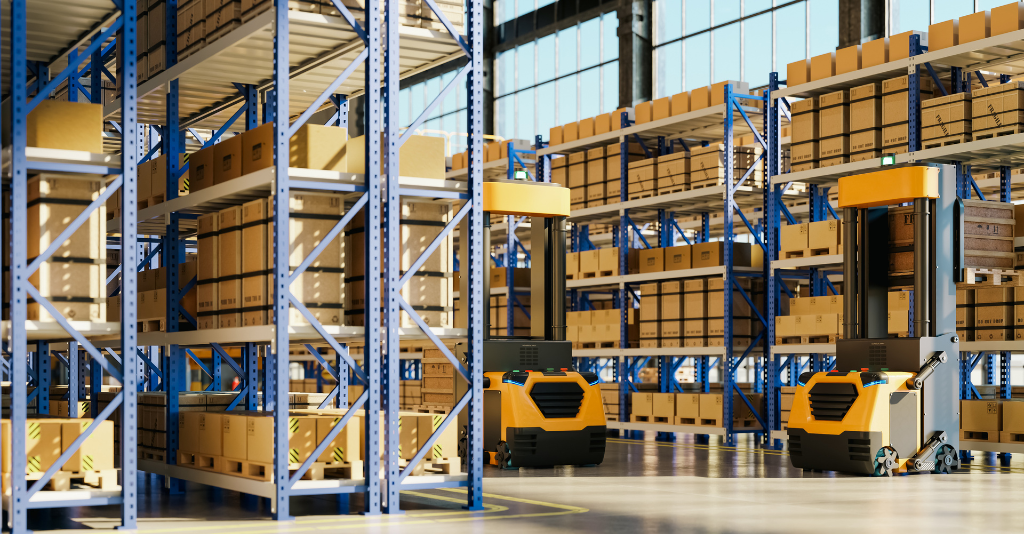
Efficient flow of goods is the foundation of efficient logistics, which is why internal transport in the warehouse must be precisely planned. Proper selection of machines and synchronization of processes not only shortens the time of order fulfillment but also significantly reduces the company’s operating costs.
What is internal transport in a warehouse?
Internal transport in a warehouse is a system of interconnected operations of moving goods, information, and load units within a closed logistic system. Simply put, it is every movement of goods that takes place inside a hall or between buildings within a single plant. It is not limited to transporting pallets from point A to point B – it also includes lifting, placing on racks, sorting, and feeding picking stations.
What are the types of transport in a warehouse?
The division of internal transport usually results from the degree of automation and the direction of load movement:
- Horizontal transport: Moving loads between distant zones (e.g., from the unloading ramp to the control zone).
- Vertical transport: Storing and retrieving goods from high racks.
- Intermittent transport: Performed by forklifts, where the work cycle consists of loading, driving, unloading, and returning.
- Continuous transport: Performed by conveyors, where movement takes place without interruptions along a designated route.
Internal transport means in the warehouse
The choice of the appropriate fleet depends on the specificity of the stored goods, the width of the working aisles, and the height of the hall. Internal transport means in the warehouse are divided into three main groups:
- Lift trucks: From the simplest “pallet jacks” (manual pallet trucks), through front forklifts, to Reach Trucks (with an extendable mast), which allow working in narrow aisles at heights exceeding 12 meters.
- VNA (Very Narrow Aisle) system trucks: Devices dedicated to working in very narrow aisles, where the operator often rises with the load (elevating cabin), allowing for precise picking and optimal use of warehouse volume.
- Autonomous and remotely controlled devices: AGV (Automated Guided Vehicles) and AMR (Autonomous Mobile Robots), which move without an operator thanks to laser mapping systems.

Stationary internal transport devices in the warehouse
Not all transport requires the presence of a cart and an operator. In large logistics centers, internal transport devices that automate repetitive movements are key:
- Conveyors (roller, belt, chain): Used for quick transport of cartons or pallets on fixed routes, e.g., connecting a mezzanine with a packing line.
- Stacker cranes: Fully automated machines moving along racks, operated by the WMS (Warehouse Management System), eliminating the risk of human errors in storage.
- Goods lifts: Essential in multi-level warehouses for vertical transport of heavy load units.
How to improve internal warehouse transport?
Optimization is not just about buying faster carts. Effective improvements include:
- Implementation of TMS and WMS systems: A Transport Management System (TMS) integrated with the Warehouse Management System (WMS) allows for optimal task queuing for operators. Thanks to this, a forklift, after placing a pallet on a rack, immediately receives an order to pick up another one from a neighboring location.
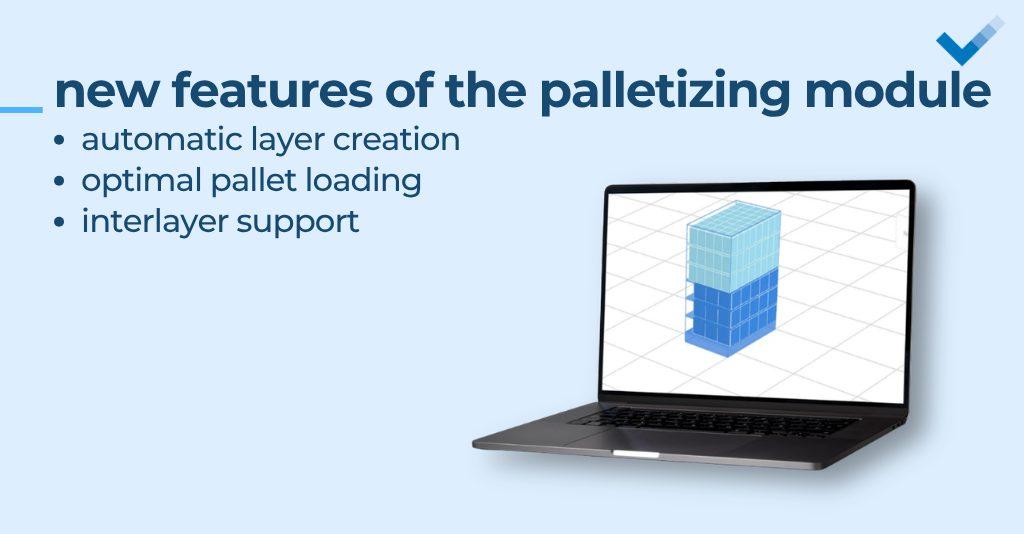
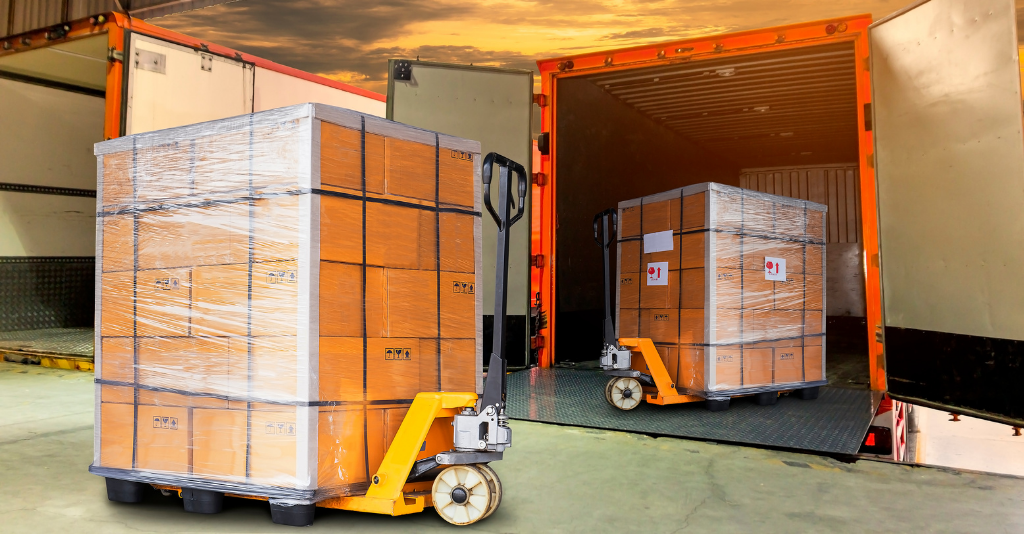
- Palletization and standardization: Unification of load units (e.g., using only euro pallets with dimensions of 800 x 1200 mm) allows full use of the technical parameters of machines and speeds up reloading processes.
- ABC analysis: Placing high-rotation goods (group A) closest to the issue zone shortens transport routes, resulting in lower energy consumption of devices and shorter order fulfillment time.
Properly designed internal transport can reduce operating costs by several percent annually, while increasing employee safety by separating pedestrian traffic from heavy machinery routes. Managing this area is a continuous analytical process in which hard data from IT systems and regular flow audits are key.