May 22, 2025
Containers
Container transport – use cases: consolidation and deconsolidation

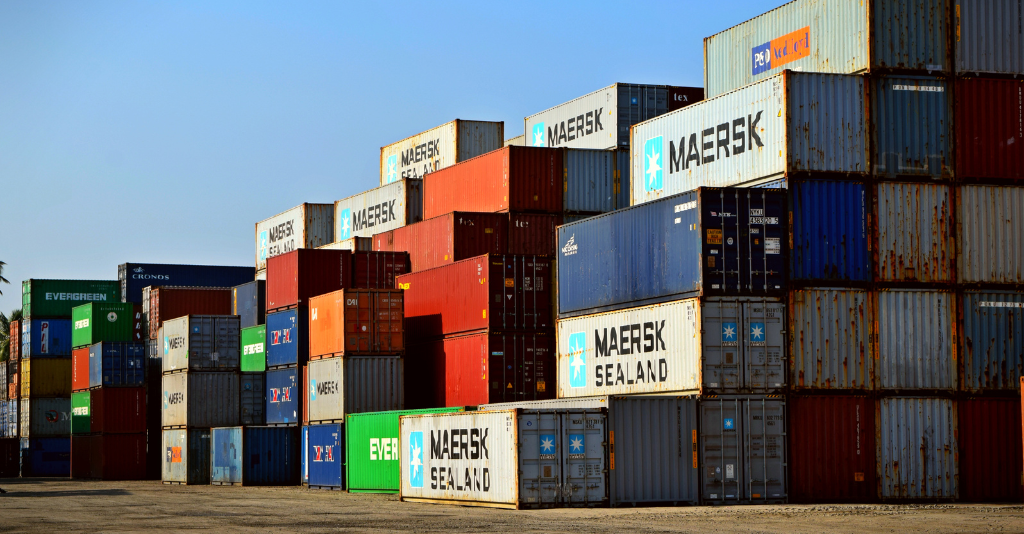
According to the World Container Index, the average cost of shipping a 40-foot container in 2024 was approximately $4,127 – significantly higher than the ten-year average of $2,814. As a result, both shippers and freight forwarders are seeking ways to reduce costs. Since the release of the latest version of our loading simulator, we’ve seen growing interest in container load planning. Below, we present the most common use cases, supported by examples from our clients.
Consolidation of Cargo from Multiple Shippers (LCL)
Scenario: A freight forwarder receives shipment requests for smaller loads (LCL – Less than Container Load) from various clients heading in the same direction.
Need: To calculate transportation costs for each customer while maintaining a sufficient profit margin.
Using Goodloading: The freight forwarder uses Goodloading to optimally arrange various cargoes within a single container, maximizing space utilization and minimizing transport costs. The tool allows visualization of the load layout, taking into account the dimensions and weight of individual packages.
Benefits:
- Reduced transportation costs through efficient use of container space
- Ability to serve smaller clients who don’t require a full container
- Streamlined load planning process in a short amount of time

Time-Extended Consolidation
Scenario: A freight forwarder has priced a large order for a regular client and used Goodloading to assess the fill level of each container. Meanwhile, a new RFQ appears in their system, specifically requesting consolidation with another client’s shipment.
Using Goodloading: The forwarder accesses the saved project database in Goodloading, identifies the container eligible for consolidation, and ensures that the remaining space is sufficient in terms of weight, volume, and center of gravity.
Benefits:
- Confidence that the new client’s goods will fit in the container with the regular client’s shipment
- Ability to offer a lower, more competitive quote for the new order
- Potential to reduce costs for the regular client and strengthen business relations

Container Deconsolidation (Unloading)
Scenario: A container with consolidated goods arrives at the destination port. The freight forwarder must split the cargo and deliver it to various recipients.
Using Goodloading: The forwarder uses Goodloading to plan the loading sequence and, consequently, the unloading sequence to minimize operation time and improve access to individual shipments.
Benefits:
- More efficient container unloading
- Reduced risk of cargo damage during unloading
- Better organization of last-mile deliveries

Transshipment Optimization in Intermodal Transport
Scenario: A shipment must be transported by sea and then by road. The forwarder must ensure that the cargo is properly secured and distributed in the container to withstand both stages.
Using Goodloading: The forwarder uses Goodloading to simulate various transshipment scenarios, taking into account different types of loading spaces such as standard trailers, solo trucks, or smaller vans.
Benefits:
- Easier organization of the transport process
- Ensured stability of cargo inside the container
- Compliance with transport safety regulations

Load Planning for Different Container Types
Scenario: The freight forwarder has access to different types of containers (20-foot, 40-foot, refrigerated containers, etc.). They must choose the right container for the load and plan optimal loading.
Using Goodloading: Goodloading allows the selection of different container types and simulates load planning, helping the forwarder make the best decision.
Benefits:
- Selection of the most suitable container for the cargo
- Maximized use of cargo space
- Optimized transport costs

In each of the use cases discussed, load simulation primarily leads to cost savings. A sea freight forwarder not only gains ease in estimating orders but also saves time on calculations. Providing documentation that clearly shows how to optimally and safely arrange customer cargo is also key for daily operations. Goodloading is intuitive and requires minimal time for users to understand its full range of features.