September 01, 2026
Pallets
What is palletization?
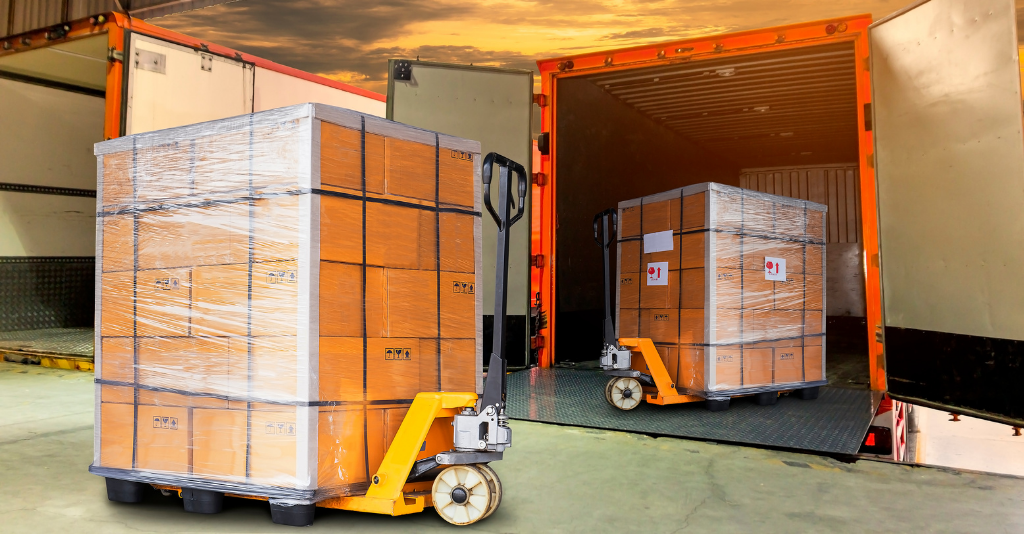
Palletization is at the core of an efficient supply chain responsible for safe transport, optimal warehouse use, and quick reloading. What is this process, what are its theoretical assumptions, and why has load standardization dominated modern logistics? We explain the key concepts.
Palletization – what is this process?
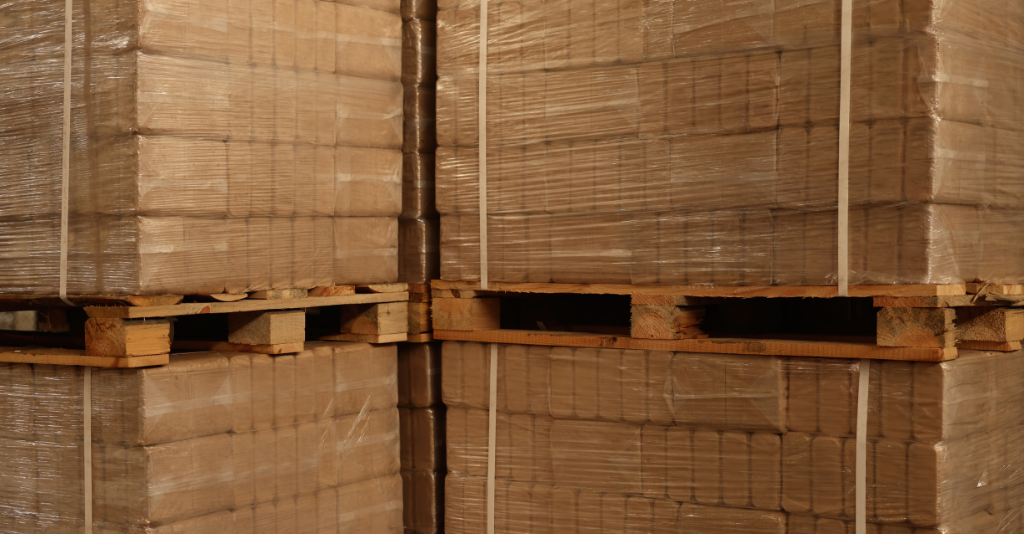
The simplest definition of palletization describes it as the process of stacking individual collective packages (such as cartons, crates, bags, or containers) on a pallet in a precisely defined, repeatable way to create a uniform, stable load unit. This unit allows for mechanical loading, unloading, and storage of goods using forklifts or pallet trucks.
The primary carriers used in this process are standardized wooden, plastic, or metal pallets, with the most popular in Europe being the EUR (EPAL) pallet measuring 1200 x 800 mm.
Instead of moving and reloading dozens of individual packages, one operates a larger load with standard dimensions. The primary goal of this process is:
- Maximize the use of loading space in warehouses and transport means (trailers, containers).
- Secure goods against mechanical damage during movement and transport.
- Facilitate reloading work using forklifts and pallet trucks.

Methods of palletization
Depending on the scale of the enterprise and production volume, this process can be carried out in different ways:
- Manual palletization – performed directly by employees. Used mainly in smaller plants or for unusual, irregular loads.
- Semi-automatic palletization – the employee arranges the goods, while the wrapping and securing process is done using machines (e.g., stationary wrappers).
- Automatic palletization – a fully automated process carried out by advanced palletization systems. In such systems, the palletizer plays a key role. What is this device? It is a stationary machine or industrial robot (e.g., an articulated robot) designed to automatically pick up goods from a conveyor and place them on a pallet according to a programmed pattern (known as a mosaic).
Palletizing Robot vs. Manual Work: Benefits and Limitations
How does the palletization process work?
Palletization requires consideration of technical standards and physical principles related to mass distribution. A properly formed pallet must be stable and safe.
- Selection of the appropriate carrier: The most popular standard in Europe is the euro pallet (EPAL) measuring 1200 x 800 mm, although industrial pallets (1200 x 1000 mm) or plastic carriers are also used.
- Arranging goods: Packages are stacked in layers, often “overlapping” (similar to bricks in a wall), which prevents the load from sliding. The goods should not protrude beyond the edges of the pallet.
- Securing the unit: The ready stack is stabilized using stretch film, shrink film, strapping bands (polypropylene or steel), or cardboard corner protectors.
Palletization in Goodloading
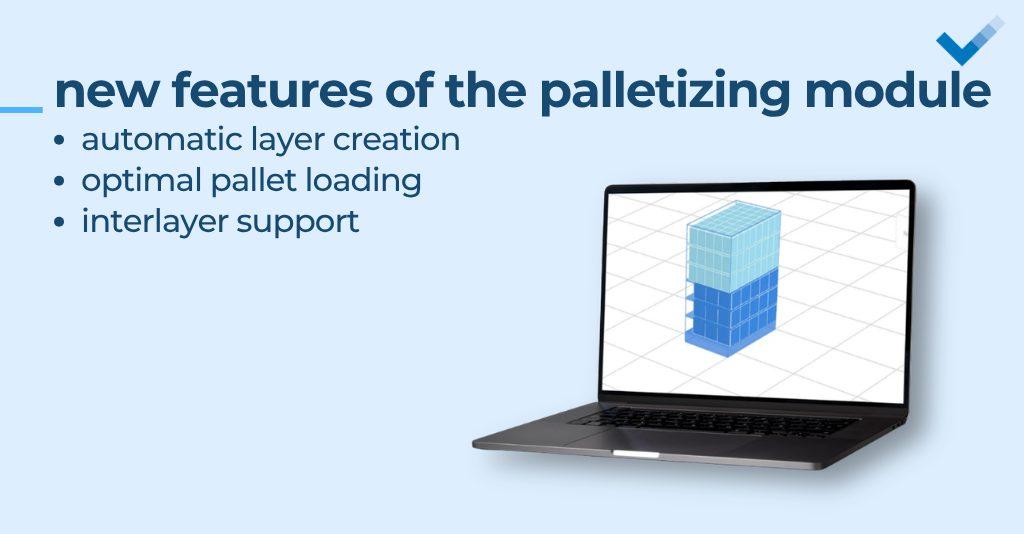
Before physically forming the load in the warehouse, the arrangement of packages can be designed in space optimization software. In the Goodloading application, palletization, i.e., digitally arranging goods on pallets, is possible. The tool allows defining the dimensions of packages and pallet sizes, then generating a three-dimensional load placement scheme. You can read more about the palletization function in Goodloading here.