August 19, 2026
Truck transport
Types of road transport – classification
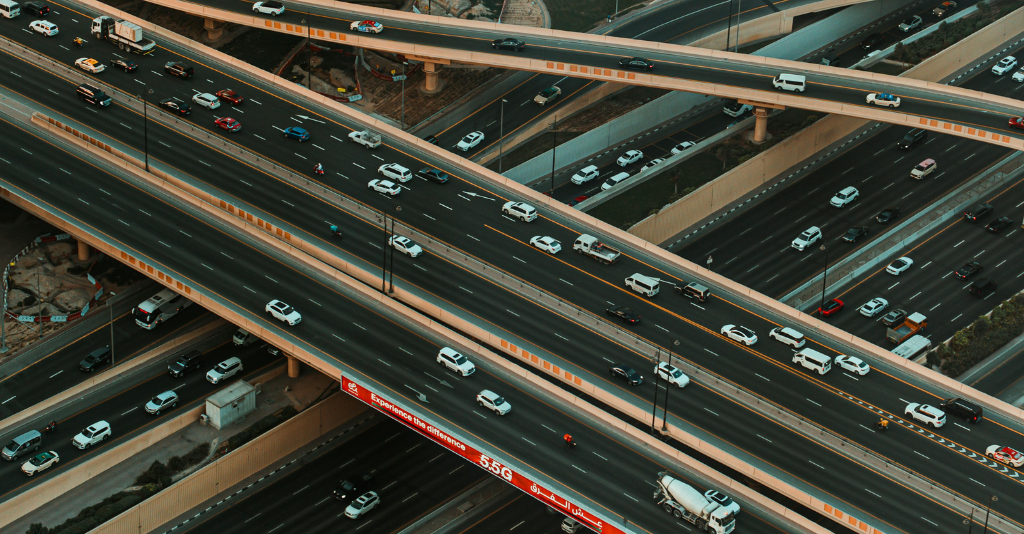
Transport of goods by wheeled vehicles is the backbone of land logistics. As the data shows, it is one of the most popular types of transport. To better understand the specifics of this industry, it is worth knowing the differences between the various types of road transport.
What are the basic types of road transport?
Division by territorial range
- Domestic transport: The transport of goods where the point of dispatch and the point of receipt are located within the territory of one country.
- International transport: A journey during which a vehicle crosses the border of at least one country.
- Transit: Passage through the territory of a given country without loading and unloading in its area.
- Cabotage: Provision of transport services in the territory of a given country by a carrier with a company registered in another country.
Division by load size
- Full Truck Load (FTL): A model in which the entire loading space is reserved for one sender. The shipment goes directly from point A to point B without intermediate transshipments.
- Less Than Truck Load (LTL): A model in which the space of the vehicle is shared by several senders. Shipments go to transshipment warehouses, where they are consolidated (combined) into larger batches.
Division by nature of the goods
- Normative (standard) transport: Transport of loads completed in packages or on pallets, the dimensions and weight of which are within legal limits (standard up to 40 tons of gross vehicle weight).
- Oversized transport (non-normative): Transport of structures or machines exceeding the permissible legal limits in terms of weight or dimensions.
- Dangerous transport (ADR): Transport of materials that pose a potential threat to people and the environment (e.g. fuels, chemicals), regulated by the ADR convention.
- Transport in controlled temperature (ATP): Transport of articles requiring a constant cooling or heating regime (e.g. food, medicines), carried out based on the ATP agreement.

Types of road transport vehicles and their parameters
The choice of a specific vehicle depends on the weight, dimensions and sensitivity of the load to external factors. Particular types of road transport vehicles differ in chassis construction, load capacity and loading methods.
- Light delivery vehicles (GVW up to 3.5 t): Vans and tarpaulin trucks (from 8 to 10 euro pallets), designed for urban logistics and express deliveries.
- Rigid trucks (GVW from 3.5 t to 26 t): Single vehicles can hold from 15 to 20 euro pallets, often equipped with a self-loading lift for unloading without a ramp.
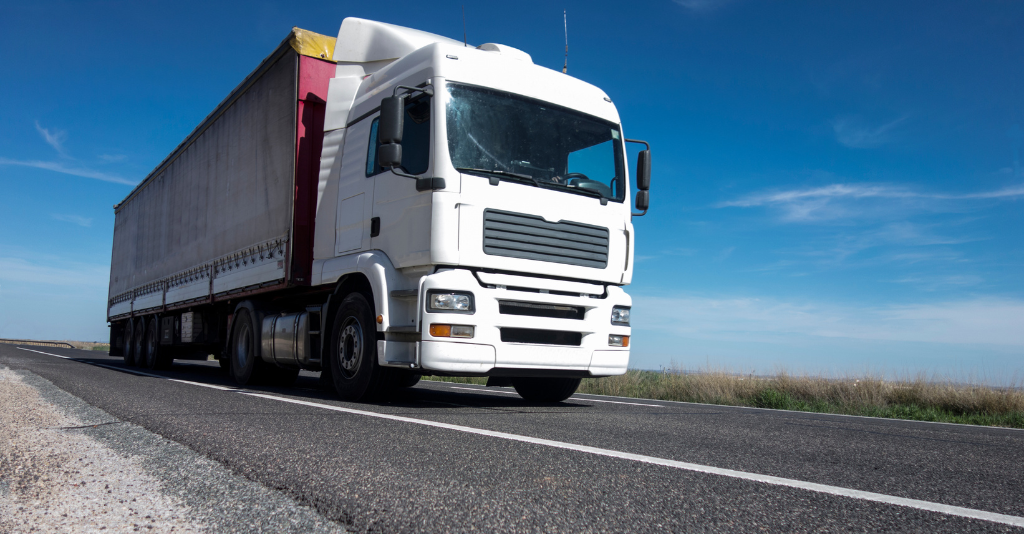
- Truck sets (GVW up to 40 t):
– Standard Semi-trailer: Capacity of 33 euro pallets, internal height of 2.75 m. Standard in palletized transport.
– Mega Semi-trailer: Capacity of 33 euro pallets, but internal height of 3.00 m (100 m³ volume), allowing for stacking loads.
– Volume Set (Truck + Trailer): The so-called 120 m³ set, accommodating up to 38 euro pallets of light goods.
– Specialist bodies: Refrigerators, tankers, silos for bulk goods and platforms for oversized loads.
Knowing the division of road transport into FTL, LTL, international transport or reefer transport allows you to accurately match the service to the parameters of the goods. Proper classification of the load eliminates the risk of formal errors and prevents improper use of the loading space.