July 05, 2024
Truck transport
Vehicle fleet management – ways and tools to support carriers

Managing a vehicle fleet today requires the use of advanced technologies and modern methods that will ensure operational efficiency, safety and cost reduction. In this article, we will look at best practices in fleet management and explore various fleet management systems that can significantly improve the operations of any transport company.
How to effectively manage a fleet of vehicles?
1. Data monitoring and analysis
Telematics: Telematics vehicle tracking systems allow drivers to monitor their location, speed, fuel consumption, and driving style in real time. Analyzing this data makes it possible to optimize routes and reduce costs. Basic photographic documentation of the condition of the goods allows the number of complaints to drop by tens of percent.
Trend analysis: Collecting and analyzing data over a longer period of time allows trends to be identified, enabling better planning and forecasting of future needs and costs.
2. Route optimization
Route planning software: There are more and more tools on the market that help you plan the most efficient routes, minimizing travel time and fuel consumption.
Dynamic route changes: Modern fleet management systems (FMS) allow routes to be changed dynamically in response to road conditions, avoiding traffic jams and other obstructions.
3. Fuel cost management
Fuel consumption monitoring: To identify inefficient practices and implement corrective actions, FMS systems can monitor the fuel consumption of each vehicle.
Eco-driving: Fuel consumption and emissions can be significantly reduced by training drivers in eco-driving.
4. Fleet maintenance and servicing
Maintenance schedules: FMS systems can automatically generate maintenance and service schedules to prevent unexpected failures and minimize downtime.
Vehicle health monitoring: Continuous condition monitoring allows for quick detection and repair of defects.
5. Safety
Advanced Driver Assistance Systems (ADAS): Technologies such as automatic emergency braking, lane assistance and blind spot monitoring systems improve road safety.
Driver training: Regular training in safe driving and emergency response helps reduce the risk of accidents.

Overview of fleet management systems
Fleet management systems are integrated technology solutions designed to manage and optimize fleet vehicles and related resources. Key functions and features of such systems include real-time vehicle monitoring, GPS location tracking, speed, route and stop monitoring, and operational cost management.
Popular fleet management systems include: Webfleet Solutions, Invers, Infor and Fleetio.
Goodloading – an app supporting fleet management
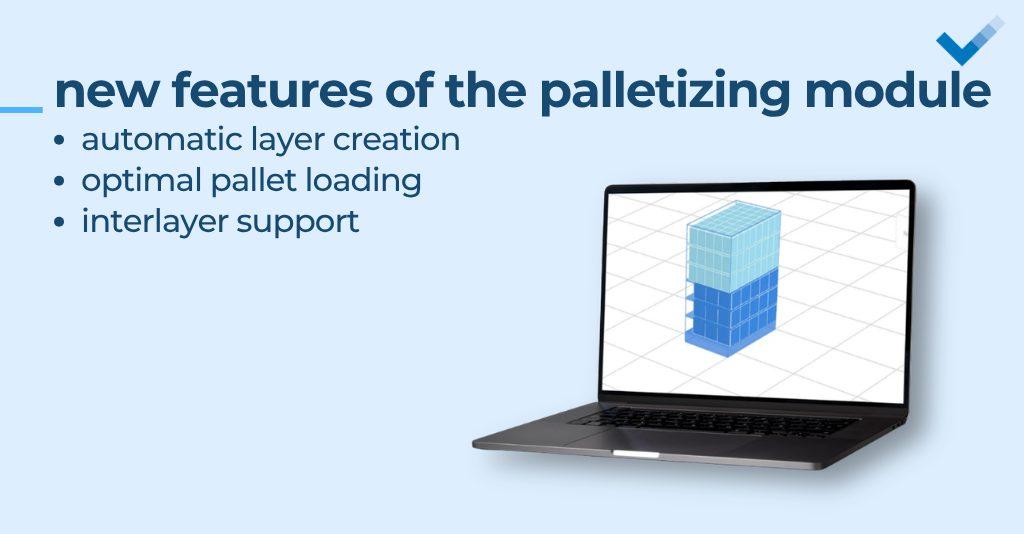
One of the tools that help carriers manage their fleets is Goodloading. The application is used to plan the distribution of loads on a semi-trailer or van to make optimal use of the available space. Carriers working with Goodloading can monitor free and occupied LDMs, axle loads or exceeding the permissible total weight. Goodloading can recommend another vehicle from the user’s fleet to accommodate the load. With the data available in the application, carriers can estimate costs faster and more accurately. This allows them to generate more profit and build better relationships with contractors by offering better rates to customers.
Effective fleet management is key to the success of any transport company. By using modern methods and tools such as FMS systems, you can optimize operations, reduce costs and increase safety. Choosing the right fleet management system depends on the specific needs and requirements of your company, so it is worth carefully analyzing the available solutions and matching them to your business. Implementing advanced fleet management technologies is an investment that pays off quickly and delivers measurable benefits.